

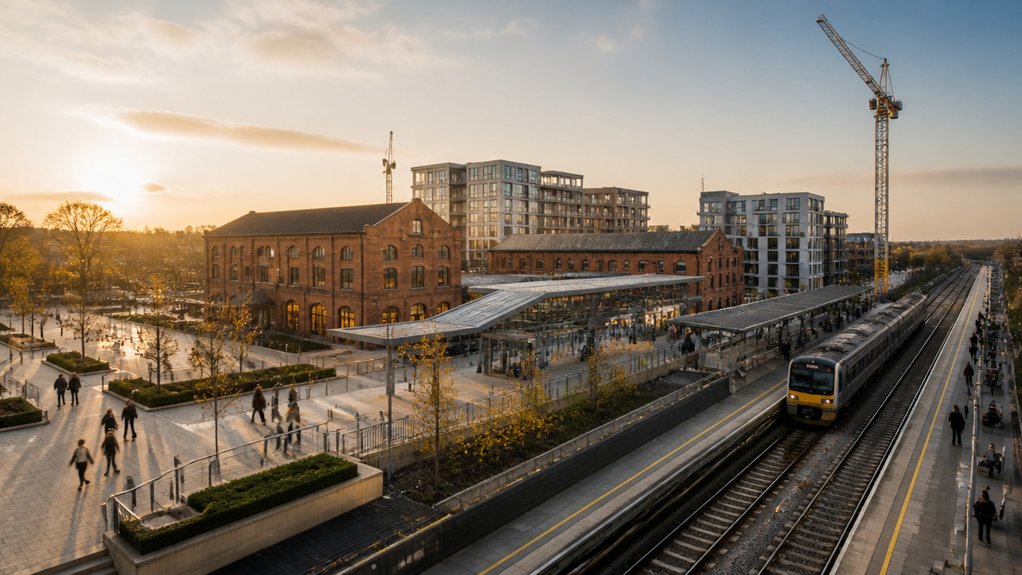
Bletchley’s investment case isn’t based solely on its London commuting links; planned regeneration and East West Rail could reshape where tenants and buyers place value. You can currently assess the market through achievable rents, local supply, station proximity and development timelines, rather than headline growth claims. These projects may support demand and pricing, but delays and uneven benefits remain material risks. The key question is which locations can capture the upside first.
Key Takeaways
- Bletchley’s relatively affordable prices can support value-led investment, particularly in well-located flats and family houses.
- Mainline rail links, A5 access, and proximity to Milton Keynes widen tenant demand and support resale liquidity.
- Homes within a 10–15-minute walk of stations can attract commuters, young professionals, couples, and cost-conscious households.
- Regeneration around central Bletchley may improve amenities and demand, but investors should prioritise funded, consented schemes over proposals.
- Check oversupply, construction disruption, leasehold charges, flood risk, EPC requirements, and realistic refurbishment costs before buying.
Is Bletchley a Good Property Investment?

Bletchley can offer a compelling property investment case, supported by comparatively accessible prices, strong transport links and regeneration around Milton Keynes. You benefit from rail connections to London and regional employment centres, while East West Rail plans could strengthen long-term connectivity and buyer demand.
Its Historical significance, including Bletchley Park, supports tourism and reinforces the area’s identity. You can also target demand from commuters, families and professionals drawn to expanding employment across Milton Keynes, supported by established local amenities, schools and retail provision.
However, you shouldn’t treat regeneration as guaranteed capital growth. Delivery timelines, planning changes, interest rates and wider Milton Keynes supply can affect performance. Assess micro-locations carefully: proximity to stations, employment hubs and improvement schemes matters.
A sound strategy requires due diligence on tenant demand, property condition, lease terms and local planning pipelines before you commit capital.
Bletchley Property Prices, Rents and Yields
Property prices in Bletchley typically sit below wider Milton Keynes and London commuter-belt levels, which can improve entry affordability and support rental yield calculations. You should compare achieved sale prices, not just asking prices, across postcode sectors and property types before setting a bid.
Smaller terraces and flats may offer accessible entry points, while family houses can attract longer tenancies, subject to local supply.
Your rental appraisal should account for void periods, letting fees, maintenance, mortgage costs and licensing requirements. Gross yields can look attractive, but your net return depends on realistic rents and expenditure.
Affordable housing stock may broaden tenant demand, yet it can also limit rental growth in some schemes.
Properties near historic architecture or conservation-sensitive streets may command character premiums, but repairs, restrictions and insurance can raise costs.
Test affordability against higher interest rates and conservative rent assumptions.
Regeneration Plans and Their Investment Impact
Regeneration can alter Bletchley’s investment case by improving transport links, public domain, employment space and local amenities, but you should separate funded, consented schemes from early-stage proposals.
For your underwriting, track planning status, delivery partners, public funding allocations and construction timetables rather than relying on masterplan headlines.
Completed improvements can support tenant demand, reduce vacancy risk and strengthen retail footfall, while disruption may temporarily constrain access and lettability.
You should also assess whether schemes add homes faster than local services and jobs expand.
Oversupply can cap rental growth, particularly for similar new-build stock.
Local community initiatives may improve neighbourhood appeal and retention, but their commercial effect is difficult to quantify.
Likewise, historic preservation efforts can protect character and attract visitors, yet they can add planning constraints, costs and longer delivery periods.
Price regeneration upside conservatively.
East West Rail and Future Bletchley Demand
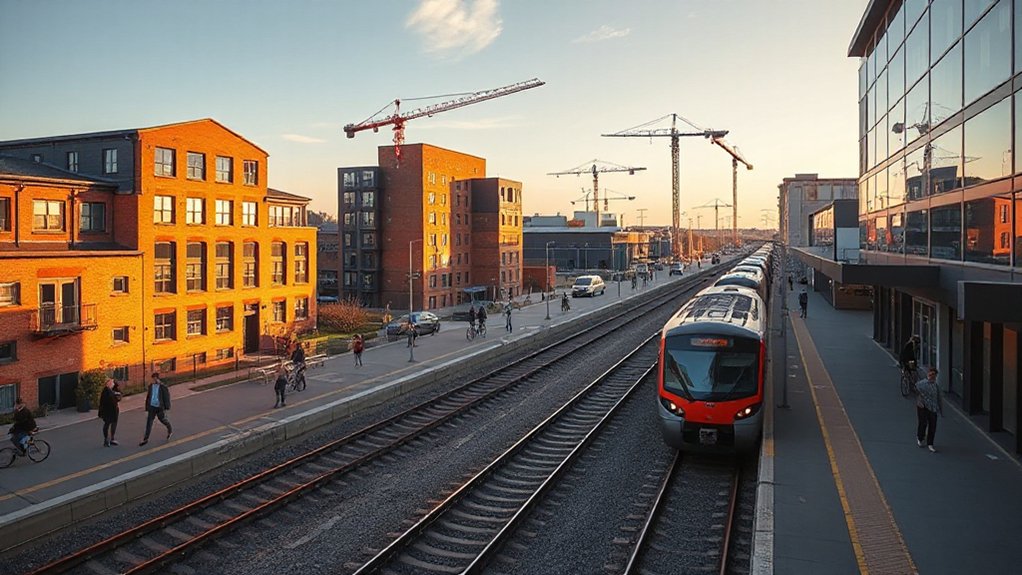
East West Rail could widen Bletchley’s effective commuter and business catchment, supporting future housing demand if services materially improve journey times and reliability. For you as an investor, the key variable is delivery: proposed connectivity may lift tenant and buyer interest, but timelines, funding decisions and final service patterns remain uncertain.
You should assess whether new employment access translates into measurable rental growth, lower void periods and stronger sales liquidity. Demand could also benefit from employers seeking lower-cost space within an expanded regional labour market.
Smart grid investment and Digital infrastructure can reinforce this case by supporting energy-efficient development, flexible working and technology-led occupiers.
Avoid pricing in the full upside before construction milestones and operating performance are confirmed. Compare asking prices with local incomes, supply pipelines and achievable rents to test whether anticipated demand is already capitalised.
Bletchley Transport Links for Tenants and Buyers
Bletchley’s transport appeal centres on its mainline rail links to London Euston, Milton Keynes and Bedford, alongside road access to the A5 and M1, which can widen the tenant pool for commuters and local workers.
For you as an investor, this connectivity supports demand from households seeking lower entry prices than central Milton Keynes while retaining practical commuting options.
Public transportation matters most where journey reliability, frequency and station access align with tenant budgets. You should compare advertised rents against travel costs, parking availability and peak-time journey patterns before underwriting returns.
Infrastructure development, including rail upgrades, may strengthen buyer confidence and liquidity, but delivery dates, disruption and funding changes remain risks.
Stress-test void periods and yields against slower commuter demand.
Properties with straightforward access to rail, buses and key roads can offer broader appeal, yet transport links alone won’t offset poor condition or inflated pricing.
Best Bletchley Areas for Property Investment
You can target Central Bletchley regeneration zones for potential uplift, but you should price in delivery timelines and planning risk.
Fenny Stratford offers growth potential where improving amenities and demand support rental resilience.
Areas near rail and major road links can widen your tenant pool, though you’ll need to compare yields against higher entry prices.
Central Bletchley Regeneration Zones
Central Bletchley offers the clearest regeneration-led investment case, with redevelopment concentrated around the town centre, transport links and former industrial land. You can target flats and houses near Bletchley station, where rail connectivity supports renter demand and commuter appeal.
Planned town-centre improvement, repurposed sites and higher-density housing may strengthen values, although delivery timelines and construction disruption can affect near-term performance.
Assess each scheme’s tenure mix, service charges, parking provision and planning status before committing. Local amenities, including shops, schools and leisure facilities, underpin lettability more reliably than headline regeneration claims.
The area’s Historical significance, especially its connection to wartime codebreaking, adds identity but won’t replace sound pricing. Compare asking rents with achieved rents, allow for voids and test yields against mortgage costs.
Focus on established streets beside regeneration zones, where downside risk may be lower.
Fenny Stratford Growth Opportunities
Fenny Stratford offers a distinct investment angle through its lower entry prices, established housing stock and access to both Bletchley and Milton Keynes amenities. You can target period terraces, family houses and smaller flats where pricing may sit below newer central schemes, potentially widening your tenant and buyer pool.
Its historic charm supports owner-occupier appeal, while practical local amenities, including shops, schools and everyday services, underpin rental demand. Focus your due diligence on condition: older properties can require roof, damp, insulation or electrical upgrades that materially affect yields.
Compare achieved rents, not asking rents, against purchase price, renovation costs and likely void periods. You should also check conservation constraints where relevant, as these can limit alterations and increase maintenance costs.
Fenny Stratford suits investors seeking value-led exposure, but returns depend on disciplined acquisition and realistic refurbishment budgets.
Areas Near Transport Links
Areas close to Bletchley station can command stronger tenant interest because rail access supports commuting to Milton Keynes, London and regional employment centres. You should assess walking times, service frequency and planned East West Rail improvements before pricing an offer.
Properties within a 10–15-minute walk may attract professionals, students and households seeking lower-cost alternatives to central Milton Keynes.
Fenny Stratford station and routes near the A5 can also widen your tenant pool, particularly where parking remains practical.
Compare achieved rents against asking rents, vacancy periods and maintenance costs; transport convenience doesn’t eliminate oversupply risk.
Look for streets supported by shops, Local cuisine and recurring community events, as these can improve tenant retention.
However, check noise exposure, flood risk, licensing requirements and station-area redevelopment plans, since construction disruption can affect short-term lettability.
Property Types Bletchley Tenants Want

Bletchley’s rental market attracts a broad tenant mix, so the strongest investment choice depends on matching property type to local demand rather than chasing headline yields.
You’ll typically find dependable demand for one- and two-bedroom flats from commuters, young professionals and couples seeking manageable rents near rail connections and town-centre amenities.
Modern, energy-efficient apartments can command a premium where specification, parking and walkability support it; however, Luxury apartments need pricing discipline because the local market remains value-led.
Family tenants often favour two- and three-bedroom houses with gardens, storage and access to schools, creating potential for longer tenancies.
Student housing is a smaller, more targeted segment than in major university towns, so you should assess local enrolment patterns and letting evidence before allocating capital.
Focus on layouts, condition and running costs that fit tenant budgets.
Bletchley Property Investment Risks to Consider
Matching the right property to tenant demand can strengthen occupancy, but you should also price in the risks that affect returns in Bletchley. Market volatility can alter sale values, achievable rents and buyer appetite, particularly when mortgage rates change or supply rises across Milton Keynes.
You’ll also face refurbishment inflation, void periods and tighter affordability checks, which can reduce net yield even when headline rents increase.
Check local planning activity carefully: regeneration timelines can slip, while construction disruption may affect tenant appeal and resale demand. Leasehold flats require close scrutiny of service charges, major works liabilities and ground-rent terms. Ownership complexities can also arise with title restrictions, shared access, restrictive covenants or absent freeholders.
Review EPC requirements, licensing rules and flood-risk data before committing, because compliance costs or insurance constraints can materially change projected returns.
How to Build a Bletchley Investment Strategy
Build your Bletchley investment strategy around a defined target: income, capital growth or a balanced return. Set measurable criteria for yield, purchase price, refurbishment budget and holding period. Compare achieved rents, vacancy levels and sold-price data across central Bletchley, Fenny Stratford and nearby commuter locations.
Prioritise properties within walking distance of stations, employment centres and strong local amenities, as these factors can support tenant demand and resale liquidity. Assess regeneration timelines carefully; planned infrastructure doesn’t guarantee immediate price growth. Factor in mortgage costs, service charges, licensing requirements and void allowances before calculating net yield.
You should also match property type to your target tenant: professionals may value transport links, while families often prioritise schools and space. Historical significance can enhance neighbourhood appeal, but you shouldn’t pay a premium without comparable evidence. Review performance quarterly and adjust your exit plan.
Frequently Asked Questions
What Are the Council Tax Bands in Bletchley?
Bletchley properties use Milton Keynes Council Tax bands A–H, based on 1991 property valuation. You’ll pay according to your band’s tax assessment; verify the VOA listing, as appeals, discounts, and annual rises affect costs.
Are There Good Schools Near Bletchley Investment Properties?
Yes—Bletchley offers several well-regarded schools, but the key detail emerges in catchment boundaries. You should compare Local school performance data, school catchment areas, Ofsted ratings, and admission pressures before pricing any investment property.
What Landlord Licensing Rules Apply in Bletchley?
Landlord licensing in Bletchley typically covers mandatory HMO licences; check Milton Keynes Council for additional or selective schemes. You must meet rental property regulations on safety, deposits, and inspections to reduce compliance risk.
How Do Bletchley Crime Rates Compare With Nearby Towns?
You’ll find Bletchley’s crime statistics broadly comparable with Milton Keynes, often higher than smaller Buckinghamshire towns due to urban density. Assess neighbourhood-level trends, transport hubs, and safety initiatives before pricing risk into rental yields.
Which Estate Agents Specialise in Bletchley Buy-To-Let Properties?
You’ll find Bletchley buy-to-let expertise at Michael Graham, Cauldwell Property Services, Urban & Rural, and Connells. Ask each for Property management fees, rental yield analysis, vacancy data, tenant demand evidence, and comparable achieved rents.




Leave a Reply