


Chatham offers lower entry prices than many Kent hotspots, yet its waterfront regeneration could reshape tenant demand and local values. You may find stronger rental appeal near the dockyard, station links and new public spaces, but headline yields can hide service charges, licensing rules and uneven street-level demand. To judge whether the opportunity suits your strategy, you’ll need to weigh rents, regeneration timelines and downside risks carefully.
Key Takeaways
- Chatham’s waterfront regeneration may improve tenant appeal, public spaces, and long-term perception, but value growth depends on delivery and housing supply.
- Buy-to-let demand comes from commuters, hospital staff, students, and local workers, particularly near stations, dockyard areas, and modern waterfront developments.
- Compare achieved rents, sold prices, yields, and void periods street by street rather than relying on area-wide averages or asking rents.
- Waterfront flats can attract premium rents for views and contemporary layouts, but service charges, lease terms, and planned works can reduce returns.
- Stress-test investment cash flow for mortgage-rate increases, licensing, management fees, maintenance, voids, flood risk, and potential regeneration disruption.
Is Chatham a Good Buy-to-Let Investment?
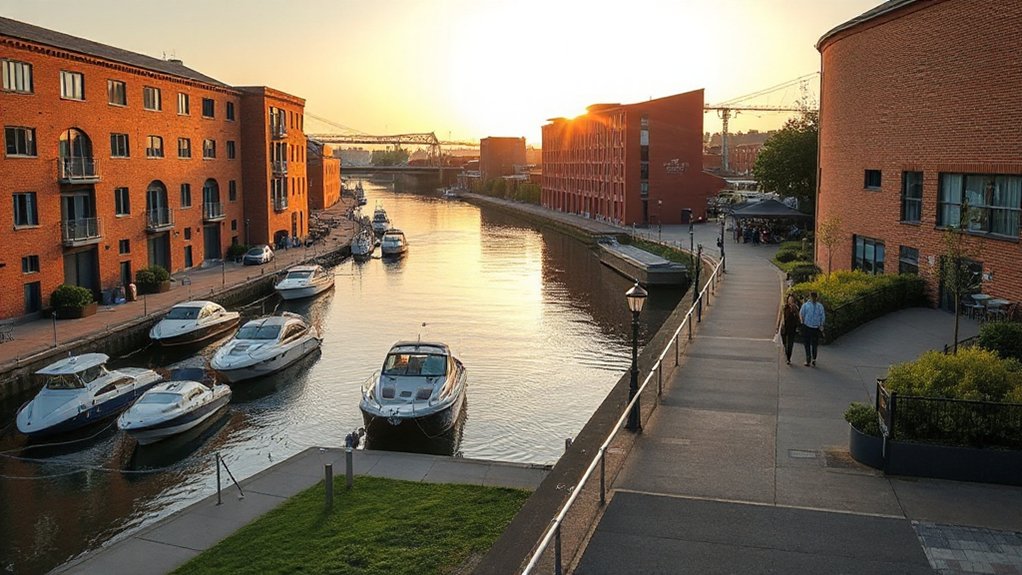
Chatham can offer a credible buy-to-let opportunity if you target areas with reliable tenant demand, realistic entry prices and manageable running costs. You’ll benefit from Medway’s employment base, transport links and regeneration activity, but returns depend on disciplined buying rather than broad price speculation.
Market trends indicate demand from commuters, hospital staff, students and local workers, supporting lettings across different property types. However, you should stress-test achievable rent against mortgage rates, licensing requirements, maintenance, voids and letting fees.
Historical growth has been uneven, so don’t assume past gains will automatically continue. Compare sold prices, rental listings and yield calculations at street level before offering.
You should also account for supply from new-build schemes, which can pressure rents or resale values. A sound investment needs a cash-flow buffer, compliant management and an exit plan that works in weaker market conditions.
Best Chatham Areas for Buy-to-Let
Location choice drives buy-to-let performance in Chatham, as tenant demand, purchase prices and rental resilience vary sharply by neighbourhood. You’ll typically find strongest commuter appeal around Chatham station, where access to London-bound services supports demand from professionals and sharers.
Prioritise well-presented flats and compact houses, but check service charges, lease length and parking provision before bidding.
The waterfront and dockyard-adjacent districts can attract tenants seeking harbor views, modern layouts and access to historic attractions. These locations may command stronger rents, yet higher purchase prices can compress gross yields.
In central Chatham, lower entry costs can improve yield potential, although tenant selection and property condition matter more.
For family lets, assess streets near schools, green space and road links. Compare achieved rents, void periods and comparable sales postcode by postcode, rather than relying on area-wide averages.
How Regeneration Could Affect Chatham Prices
Regeneration can reshape Chatham’s price growth by improving transport links, public domain, housing supply and employer appeal, but you shouldn’t assume every scheme will lift values equally. You should assess whether delivery is funded, phased and supported by planning consent, rather than pricing in headline announcements.
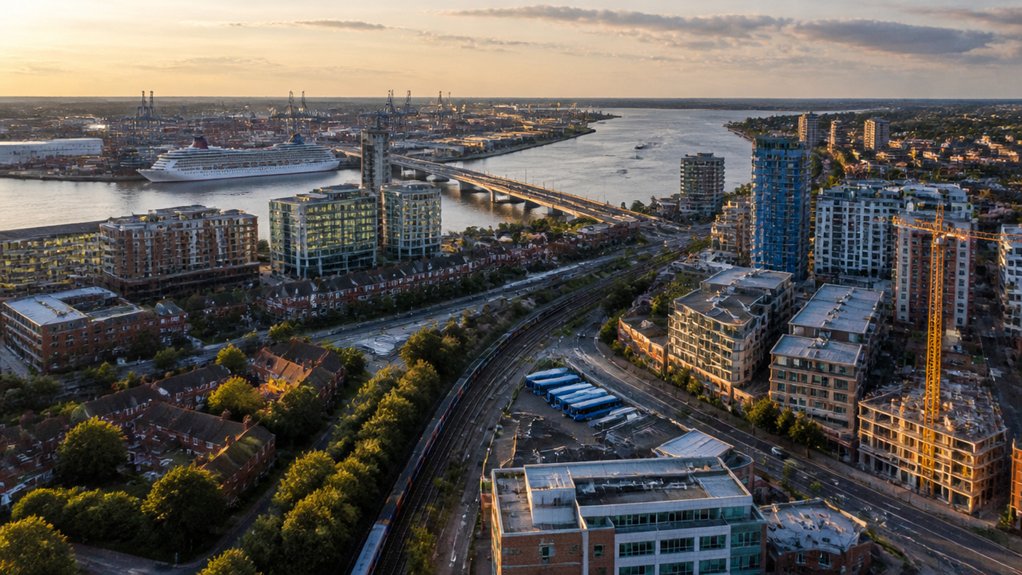
Urban renewal around waterfront and town-centre sites can strengthen buyer perception, reduce vacancy blight and widen owner-occupier demand. That may support property appreciation, particularly where refurbished public spaces, new amenities and better connections alter comparable-sale evidence.
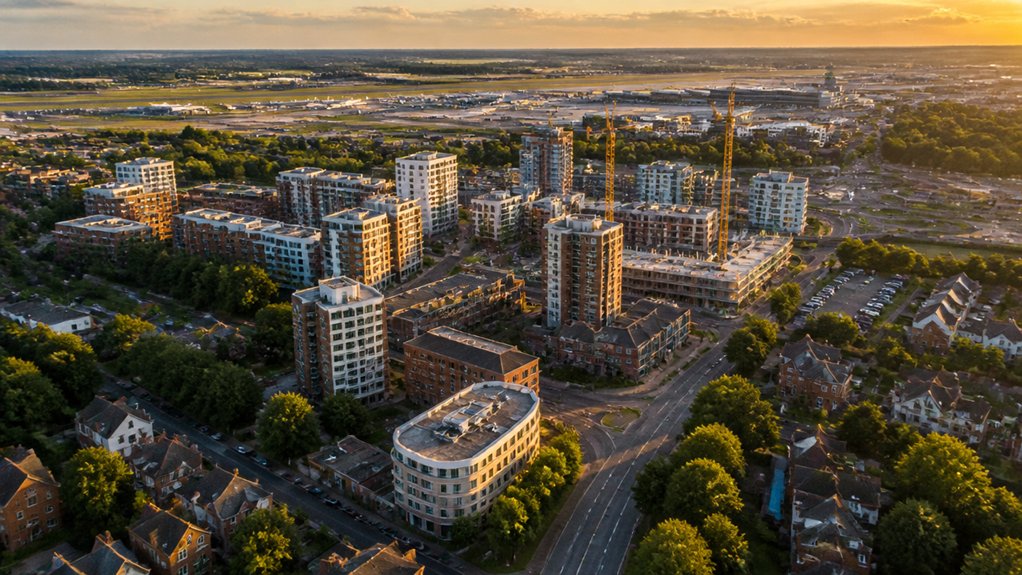
However, substantial new-build supply can cap short-term price gains if completions outpace local purchasing power. You should compare achieved sale prices, listing reductions, transaction volumes and new-scheme incentives across nearby postcodes.
Also factor in construction disruption, service-charge levels and leasehold terms. The strongest upside usually follows completed infrastructure and demonstrable market absorption, not early-stage masterplans alone.
Chatham Rents, Yields and Tenant Demand

Although rental demand can support Chatham investment returns, you should test headline yields against achieved rents, void periods, financing costs and property-specific charges.
Compare asking rents with completed lettings for similar bedroom counts, condition and proximity to stations, the dockyard and employment centres.
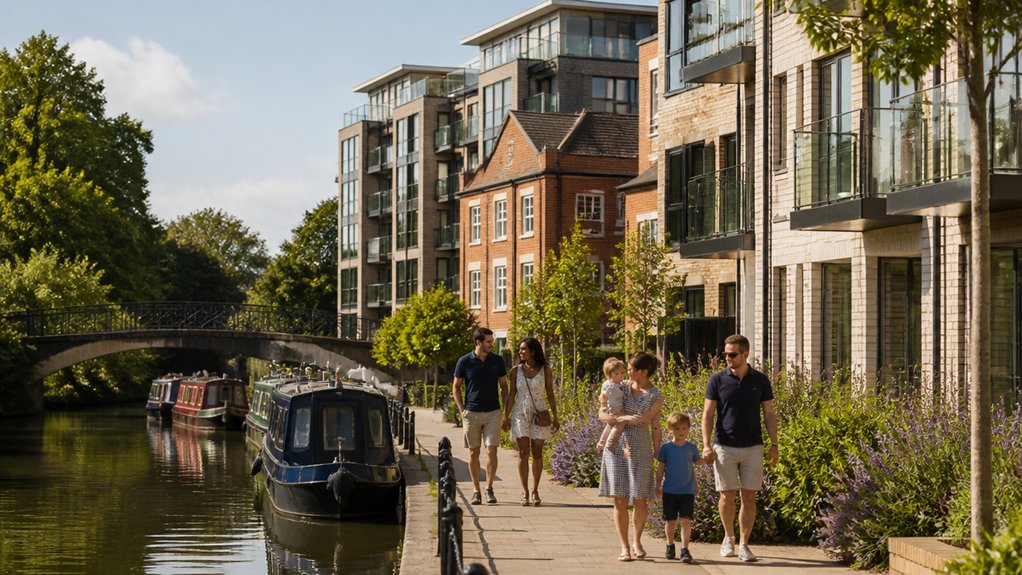
Chatham’s tenant base can include commuters, local workers, families and households seeking comparatively accessible Medway rents, but demand varies sharply by micro-location.
You’ll typically find stronger appeal where homes offer reliable transport, modern layouts and usable outdoor space.
Marina development may lift interest in waterfront living, while historic preservation can support character-led demand around heritage assets.
Don’t assume regeneration automatically produces rental growth: new supply can compete for tenants, particularly in apartment-heavy schemes.
Track local listing volumes, time on market and rent reductions to judge whether landlords retain pricing power.
Chatham Buy-to-Let Costs and Due Diligence
A workable Chatham buy-to-let case depends on total acquisition and holding costs, not the advertised yield. You’ll need to model purchase price, deposit, mortgage rate, stamp duty, valuation, survey, conveyancing and any refurbishment before comparing net returns.
Stress-test cash flow against higher interest rates, void periods and repair bills, particularly in older stock near the town centre.
Check service charges, ground rent, lease length and planned major works on flats; these can materially reduce income. Property management typically costs 8–15% of rent, while insurance, licensing, safety certificates and maintenance add further expenses.
Review comparable achieved rents rather than asking prices, and assess tenant demand street by street. Legal considerations include title restrictions, selective licensing requirements, EPC compliance and lender criteria.
You should also verify regeneration plans, flood risk and transport disruption before committing capital.
Frequently Asked Questions
What Transport Links Connect Chatham to London and Nearby Towns?
Public transport flows like arteries: you’ll reach London by Southeastern trains from Chatham station, while buses connect nearby towns. Connectivity hubs include Rochester and Strood; assess peak-time delays, fares, and service reliability before committing.
Are There Restrictions on Short-Term Holiday Lets in Chatham?
You’ll face Holiday let regulations and Short term rental restrictions through planning, licensing, mortgage, leasehold, and council rules. Check Medway Council policies, your property’s tenure, and lender terms before forecasting occupancy, yields, or compliance costs.
What Schools and Healthcare Facilities Are Available in Chatham?
You’ll find Educational facilities including primary schools, secondary academies and MidKent College; then healthcare services through Medway Maritime Hospital, GP practices and clinics. You should verify catchments, Ofsted ratings, appointment access and planned capacity.
How Does Chatham Compare With Neighbouring Medway Towns for Lifestyle?
You’ll find Chatham offers stronger Marina lifestyle and Cultural amenities than Gillingham, while Rochester delivers more heritage appeal and Strood often offers lower prices. Regeneration supports demand, though rental yields and tenant profiles vary across Medway.
What Future Infrastructure Projects Are Planned for Chatham?
You’ll see Urban renewal reshape Chatham through town-centre regeneration, waterfront improvements, station-area upgrades, and new Community amenities. Track delivery timelines and funding: projects can lift demand, but delays, planning changes, and affordability pressures remain risks.








Leave a Reply