


When you assess Colchester’s property market, you’ll find historic character competing productively with modern convenience. Tudor cottages, Victorian terraces and Roman-era surroundings appeal to buyers who value authenticity, while new-build schemes offer efficiency, space and lower upkeep. Prices, rental demand and regeneration plans vary sharply by area, so your best option depends on more than budget alone. The key question is which side of Colchester’s market offers the stronger long-term fit for you…
Key Takeaways
- Colchester combines Roman, Tudor, Victorian, and period homes with new-build developments across expanding districts such as Stanway, Greenstead, and northern neighbourhoods.
- Heritage properties offer character and established locations, but buyers should budget for maintenance, listed-building restrictions, and potentially complex renovations.
- Modern developments prioritise energy efficiency, warranties, open-plan living, and lower maintenance, though service charges and completion timelines require careful review.
- Lexden, Prettygate, Stanway, and Highwoods appeal to families, while North Station, Hythe, and town-centre areas attract commuters and rental investors.
- London rail connections and regeneration around the centre and waterfront support long-term demand, although construction phases can cause short-term disruption.
Colchester Property Market: Prices, Demand and Supply

Colchester’s property market reflects a mix of steady buyer demand, constrained stock and price sensitivity shaped by mortgage costs. You’ll find pricing varies sharply by neighbourhood, condition and transport access, with well-presented homes attracting quicker interest than properties requiring substantial work.
Buyers remain selective, comparing monthly affordability closely and negotiating where listings linger.
Supply remains tight in sought-after family areas, supporting values despite slower transaction volumes. Meanwhile, vendors need realistic pricing to capture attention during longer decision cycles.
Luxury apartments appeal to professionals and downsizers seeking central convenience, although service charges influence demand.
Coastal properties within reach of Colchester broaden the area’s appeal for lifestyle-led purchasers, particularly those prioritising access to beaches and rail links.
If you’re entering the market, monitor new listings, mortgage-rate movements and local comparable sales to judge value accurately.
Heritage Homes vs New Builds in Colchester
While heritage homes offer character, period detail and established locations, new builds in Colchester attract buyers seeking energy efficiency, lower maintenance and predictable running costs.
You’ll often pay a premium for an older property’s setting, larger plot or distinctive features, but should budget for repairs, insulation upgrades and specialist work. Heritage preservation can also influence what alterations you can make, affecting timescales and resale appeal.
New-build schemes provide warranties, contemporary layouts and Modern architecture designed around current lifestyles. You may benefit from stronger EPC ratings, reduced utility bills and fewer immediate renovation demands.
However, you should assess estate management charges, plot size, transport links and local supply. Your best choice depends on whether you value established character and flexibility or convenience, efficiency and a clearer ownership budget.
Historic Colchester Homes: Roman, Tudor and Victorian
You’ll find Colchester’s historic market shaped by Roman walls, Tudor timbering, and Victorian terraces with period detailing. These features can strengthen buyer appeal, but they also influence maintenance costs, planning constraints, and renovation scope.
You should assess each home’s fabric and setting to judge whether its character supports its asking price.
Roman Walls And Tudor Timbering
Roman masonry and Tudor timber framing give Colchester’s older homes a distinct position in the local market, combining architectural rarity with strong buyer appeal. When you buy near surviving Roman fabric or within a timber-framed property, you’re acquiring scarcity that newer stock can’t replicate.
Exposed beams, lime-rendered walls and irregular layouts create character, while proximity to Ancient artifacts and historic streetscapes can strengthen lifestyle value.
However, you should price maintenance, specialist surveys and consent requirements carefully. Architectural preservation rules may limit alterations to roofs, windows, insulation and internal finishes, affecting renovation budgets and timelines.
Well-maintained listed homes often attract buyers seeking authenticity, yet condition remains decisive. You’ll achieve stronger resale interest when repairs use appropriate materials and documentation demonstrates sensitive stewardship.
These homes reward informed ownership, combining heritage credentials with enduring local demand.
Victorian Terraces And Detailing
Victorian terraces broaden Colchester’s historic-home market, offering period character at a scale that often suits first-time buyers, families and investors. You’ll find these homes concentrated near the town centre and established transport routes, where walkability supports demand.
Victorian architecture typically brings bay windows, slate roofs, tall ceilings and narrow but practical floorplans, while original fireplaces, cornices and encaustic tiles can strengthen resale appeal.
When evaluating value, you should distinguish intact detailing craftsmanship from costly decorative repairs. Restored sash windows, repointed brickwork and upgraded insulation can improve comfort without eroding character.
Check roof condition, damp history and rear extensions carefully, as layouts vary widely. A well-maintained terrace can offer an accessible entry into Colchester’s heritage market, particularly when modern kitchens and efficient heating complement authentic period features.
Modern Colchester Developments and New-Build Options
Colchester’s new-build market is expanding beyond the city centre, with developers concentrating on growing districts such as Stanway, Greenstead and the northern fringe. You’ll find a widening choice of apartments, starter homes and larger detached properties, often designed around energy efficiency, open-plan layouts and lower maintenance costs.
Developers are responding to demand for practical space, including home-working rooms, parking and access to green spaces.
Pricing typically reflects specification, plot size and release phase, so buying early can give you more choice and potential value. New schemes also bring infrastructure improvements and community initiatives, although you should assess service charges, completion times and build warranties carefully.
Compare incentives against the final purchase price, particularly where developers offer upgrades, deposit contributions or mortgage support.
Best Colchester Areas for Families, Commuters and Investors
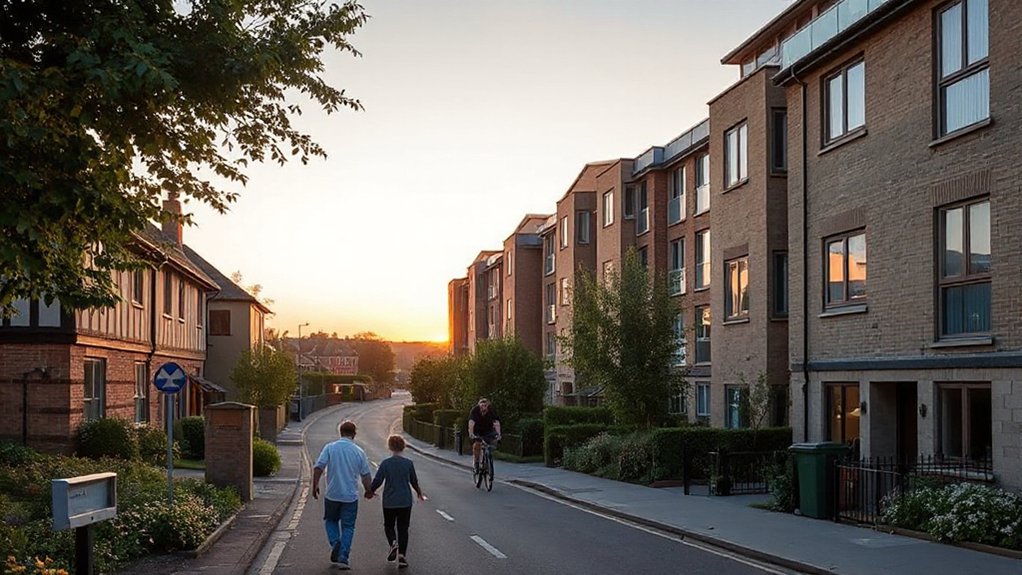
You’ll find family appeal in areas such as Lexden and Prettygate, where schools, green space and established housing support consistent demand.
For commuting, Stanway and neighbourhoods near Colchester North station can strengthen your access to London-bound services and major road links.
Investors may focus on the town centre, Hythe and university-facing locations, where rental demand and regeneration can influence yields.
Family-Friendly Colchester Neighbourhoods
Three priorities shape the best Colchester neighbourhoods for families, commuters and investors: school access, transport links and long-term housing demand.
For family buyers, you’ll find strong appeal in areas that combine established School districts with practical Local amenities, including parks, healthcare, shops and community facilities.
Lexden remains a premium choice, with period homes, leafy streets and a reputation for sought-after education options.
Stanway offers newer housing, larger family layouts and everyday retail convenience, often at a more accessible entry point.
Highwoods attracts households seeking modern estates, green spaces and proximity to services.
Prettygate provides a settled suburban feel with varied property stock.
When comparing neighbourhoods, assess catchment boundaries, walking routes and future housing supply. These factors influence buyer competition, resale resilience and the lifestyle value your home can deliver.
Commuter And Investment Hotspots
For commuters and investors, the strongest Colchester locations tend to cluster around fast rail access, major road routes and established rental demand. Around Colchester North station, you can target professionals seeking direct London services, while nearby town-centre schemes appeal to tenants who value shops, restaurants and walkability.
Luxury apartments in these areas can command resilient demand, particularly when they provide parking, concierge-style amenities or high-spec finishes.
For road-focused buyers, Stanway and Tollgate offer practical access to the A12, retail employment and newer housing stock.
You’ll also find Eco friendly developments gaining traction, especially among tenants and owner-occupiers prioritising lower running costs.
New Town and Hythe remain compelling investment choices because student, hospital and university-linked demand supports occupancy.
Assess service charges, transport upgrades and local supply before committing, as these factors shape yields, resale prospects and long-term performance.
Colchester Property Prices, Rents and Investment Potential
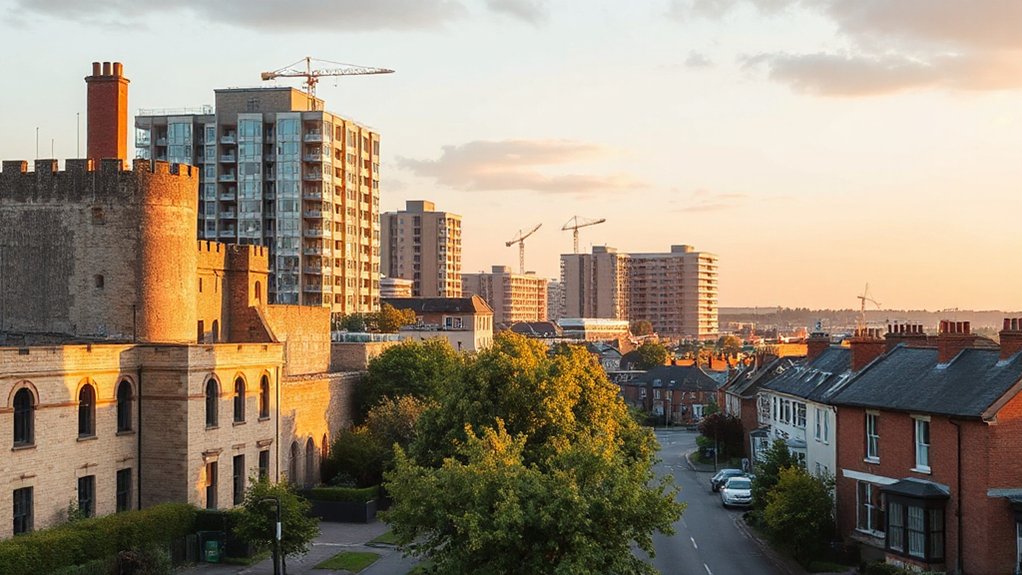
Colchester’s property market combines comparatively accessible purchase prices with rents supported by a large student population, established employment base and rail links to London.
You’ll find values vary sharply by property type, condition and neighbourhood, with period homes commanding premiums while newer schemes broaden entry points for buyers.
Rental demand remains resilient for well-located one- and two-bedroom homes, family houses and professionally managed student housing.
Investors can target steady income, but should price in licensing, maintenance, service charges and potential void periods.
Luxury apartments may appeal to professionals seeking modern finishes, yet yields can differ from lower-priced stock because of higher acquisition and running costs.
Your strongest opportunity often lies in matching the asset to a defined tenant base, rather than pursuing headline rental figures.
Careful comparables and realistic budgeting remain essential.
How Transport and Regeneration Affect Colchester Property
Transport links and regeneration shape Colchester’s appeal by widening its commuter catchment and improving the quality of key residential areas. You’ll find rail connections to London Liverpool Street particularly influential, supporting demand from buyers seeking more space without abandoning city access.
Areas near North Station and the town centre can command attention where walkability and reliable public transport reduce reliance on cars.
Urban regeneration also reshapes investment decisions. Improvements around the city centre, waterfront and former industrial land can create newer housing, retail provision and public sphere upgrades that strengthen local desirability.
You should assess each scheme’s delivery timetable, planning status and effect on nearby supply, as construction can temporarily disrupt values.
Well-executed projects may lift rental appeal, especially among professionals and students, while stronger transport links can broaden resale demand and underpin long-term pricing.
Frequently Asked Questions
What Are Colchester’s Council Tax Bands for Residential Properties?
Colchester’s property tax bands run from A to H, a ladder shaping your annual bill. You’ll find band classifications based on April 1991 property values, with higher-value homes paying more, affecting affordability and market comparisons.
Are There Conservation Area Restrictions on Exterior Home Improvements?
Yes, you’ll face stricter controls in conservation areas: exterior changes often need planning permission. Check architectural preservation requirements and renovation guidelines before altering windows, roofs, doors, cladding, or boundary features, as restrictions can affect value and timelines.
How Do Local School Admissions Affect Property Moving Timelines?
School enrollment can dictate your moving deadlines, especially near oversubscribed catchments. You’ll need to align exchange, completion, and application dates, as delayed moves may limit available places and reduce buyer demand for your home.
Which Solicitors Specialise in Colchester Property Transactions?
You can shortlist Colchester conveyancing firms with strong Property dispute resolution and Leasehold enfranchisement teams. For example, if you’re buying a leasehold flat, choose solicitors who handle title checks, lender requirements, and local transaction pressures.
What Flood Risks Should Buyers Check Before Purchasing?
Check Flood zone maps, historic claims, surface-water susceptibility, river and coastal exposure, and drainage infrastructure capacity. You’ll also want insurance quotes, seller disclosures, local planning proposals, and surveyor advice before committing to a purchase.







Leave a Reply