


Bracknell’s property market is changing faster than almost any Berkshire town, as the £240 million Lexicon regeneration reshapes buyer expectations and local values. You’ll see prices vary widely by area, property type, and proximity to transport, while detached homes and modern developments attract strong interest. Commuters, families, and investors are still active—but the next pricing shift may depend on where demand gathers next.
Key Takeaways
- Bracknell demand is driven by commuters, first-time buyers and families seeking rail links, green space, schools and newer homes.
- The £240 million Lexicon regeneration supports demand for walkable town-centre homes through improved retail, leisure and public spaces.
- Prices vary significantly by neighbourhood, property type and condition, with detached family homes commanding the strongest premiums.
- Martins Heron, Warfield, Binfield and Jennett’s Park remain popular for differing mixes of transport, schools, space and modern housing.
- Mortgage-rate expectations influence transactions, while energy-efficient, well-presented homes typically attract stronger buyer interest and fewer negotiations.
Bracknell Property Market in 2025: Prices and Demand
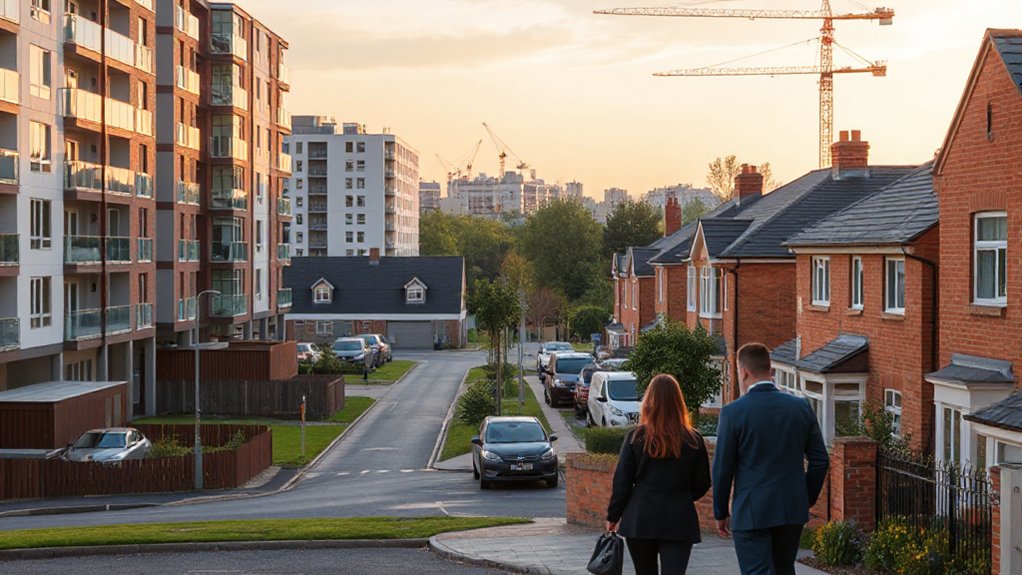
Bracknell’s property market in 2025 continues to attract demand from buyers seeking strong transport links, regenerated town-centre amenities and access to major employment hubs across the Thames Valley. You’ll see demand supported by commuters, first-time buyers and households prioritising newer homes, green space and rail connectivity.
Transaction activity remains sensitive to mortgage-rate expectations, but improved affordability versus nearby Berkshire locations sustains buyer enquiries.
Market diversification is widening the buyer base, with owner-occupiers, investors and downsizers responding differently to pricing and supply. You can expect well-presented, energy-efficient listings to command the strongest interest, while properties requiring renovation face more negotiation.
The Rental market also underpins demand, as tenants seek access to employment centres and landlords assess yields against financing costs. Supply levels, wage growth and borrowing conditions will determine how firmly prices move through 2025.
Bracknell House Prices by Area and Property Type
Price patterns across Bracknell vary sharply by neighbourhood, property type and condition, so borough-wide averages don’t tell you what a buyer or seller can expect locally. You’ll typically see detached family homes command the strongest prices, while flats and smaller terraced houses provide lower entry points, particularly where lease terms, service charges or modernisation needs affect value.
In established villages and character-led pockets, period homes with Historic architecture can achieve premiums when presentation, parking and plot size align.
By contrast, newer apartments near the town centre compete on convenience and specification, making pricing sensitive to supply.
Houses close to green spaces often attract higher offers, but condition still matters: renovated kitchens, energy efficiency and usable gardens can widen the gap.
You should compare recent completed sales by property type, not asking prices alone, before setting expectations.
Bracknell’s Most In-Demand Areas for Buyers
Buyer demand concentrates in areas that balance commuter access, school catchments, green space and the type of housing in short supply. If you prioritise rail links, Martins Heron and The Warren typically attract strong interest from London-facing professionals.
While Warfield appeals to family buyers seeking larger homes, established schools and Green spaces. Binfield also remains competitive, particularly for detached and semi-detached properties near village amenities and well-rated education options.
You’ll see a different buyer profile around Jennett’s Park, where newer family housing, community facilities and accessible routes support steady demand.
Central Bracknell attracts first-time buyers, downsizers and investors looking for modern flats, including Luxury apartments, with lower entry prices than many surrounding family areas.
Across the market, homes that combine parking, outdoor space and energy efficiency usually generate the widest enquiry levels.
How Town Centre Regeneration Is Affecting Prices
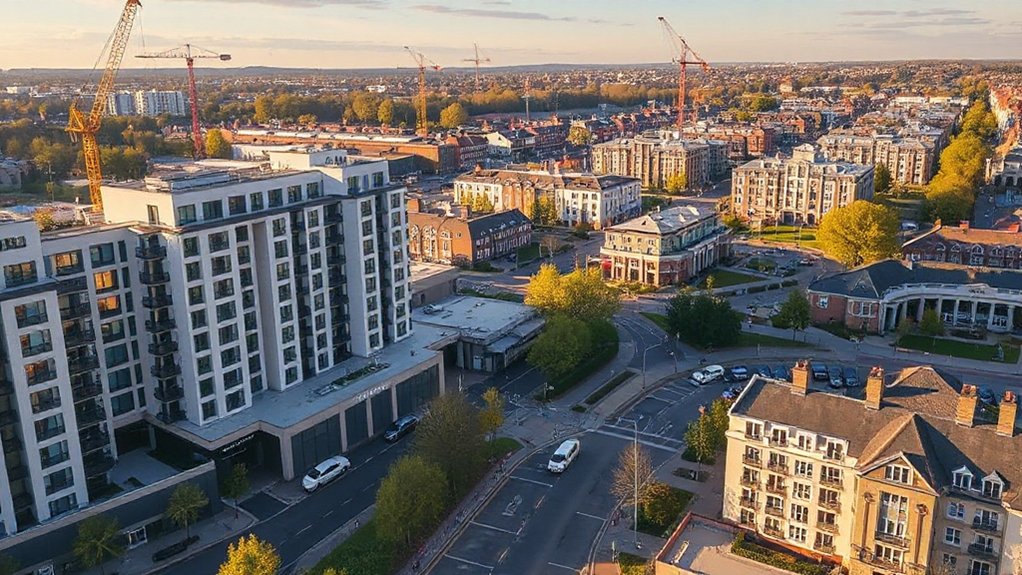
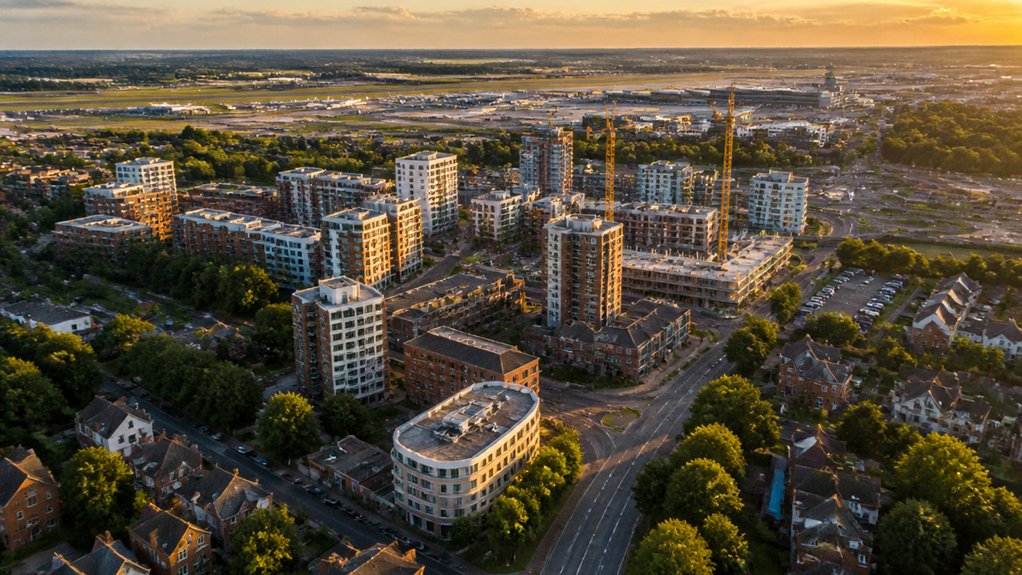
Since the £240 million regeneration of The Lexicon reshaped Bracknell town centre, it has strengthened demand for nearby modern apartments and walkable homes. If you’re pricing or buying close to the centre, you’ll see regeneration reflected in buyer attention, shorter decision times and greater competition for well-presented properties.
Urban renewal has improved the area’s retail, leisure and public-realm offer, helping nearby addresses command a clearer convenience premium than comparable homes farther out.
Price growth still depends on mortgage rates, stock levels and property condition, so regeneration doesn’t guarantee uplift across every listing. However, homes within easy reach of The Lexicon benefit from stronger visibility and an expanded local amenity base.
Continued community engagement also supports confidence in future investment, which can underpin values as new schemes complete and the town centre’s appeal broadens.
What Bracknell Buyers Want in 2025
In 2025, Bracknell buyers are prioritising energy-efficient homes, practical layouts and locations that shorten the commute or put The Lexicon’s amenities within easy reach. You’ll find demand strongest for EPC-rated homes, modern kitchens, dedicated workspaces and outdoor areas that support flexible routines.
Buyers increasingly compare running costs alongside asking prices, making insulation, heat pumps and double glazing valuable differentiators.
For families, three-bedroom houses near schools and green space remain a core target, while downsizers and professionals are supporting demand for luxury apartments with secure parking, lifts and low-maintenance living.
You may also see selective interest in historic properties, particularly where character features combine with updated heating, wiring and kitchens.
Across price bands, realistic valuation matters: well-presented homes attract faster attention, whereas dated stock often requires a clearer price adjustment.
Transport Links and Bracknell Commuter Demand
Bracknell’s transport network continues to underpin commuter demand, with rail links from Bracknell station connecting residents to Reading and London Waterloo.
While the A329(M), M4 and M3 support road travel across Berkshire, Surrey and west London. If you’re weighing locations, this connectivity broadens your employment catchment and supports buyer interest from hybrid workers who still need reliable office access.
Public transport remains a practical differentiator, particularly for households seeking lower commuting costs and predictable journey options. Demand tends to concentrate near stations, business parks and established commuter hubs, where you can reach major employment centres without central London pricing.
Road access also appeals if you work across the Thames Valley, Heathrow corridor or Surrey. As flexible working persists, buyers increasingly value transport resilience: rail, motorway and bus connections that protect convenience when schedules change.
New-Build Homes and Bracknell Price Premiums
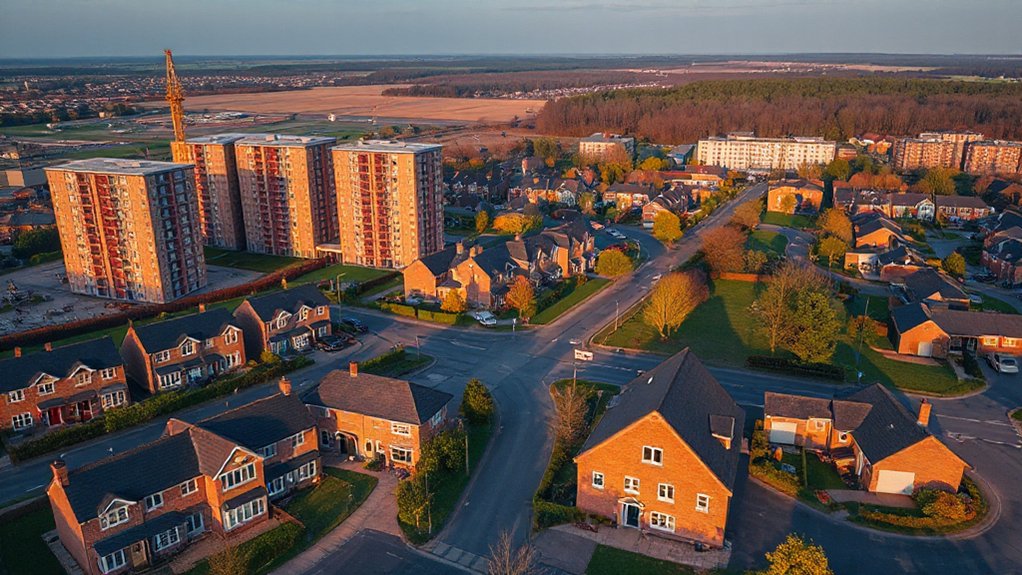
New-build homes in Bracknell often command a premium over comparable older properties, reflecting energy efficiency, modern layouts, warranties and demand for low-maintenance living. If you’re comparing listings, assess the gap against local resale values, not just the developer’s asking price.
Price premiums tend to be strongest for well-located schemes near regenerated town-centre amenities, rail access and established schools. You’ll also see buyers place value on EPC ratings, lower running costs and chain-free purchases, particularly where mortgage affordability remains tight.
New builds popularity has supported pricing resilience, although incentives such as deposit contributions, upgraded specifications or stamp-duty offers can narrow the effective premium. Check completed-sale data for similar-sized homes and account for service charges, parking and lease terms.
A premium can be justified when the specification and location outperform nearby stock, but you shouldn’t assume every new property will hold the same margin.
Bracknell Property Investment: Yields and Demand
For investors, Bracknell’s appeal rests on the balance between rental demand, achievable yields and long-term capital resilience. You can tap into demand from commuters, technology-sector employees and households seeking modern homes with strong transport links.
Rental performance tends to vary by location, property type and specification, so you’ll need to compare asking rents against realistic purchase costs rather than headline figures.
Luxury apartments near regenerated central amenities can attract professionals, although service charges may reduce net returns.
Family-sized houses in suburban developments often appeal to longer-term tenants, supporting steadier occupancy and lower turnover.
You should also track new supply, as additional completions can increase competition in specific postcodes.
Bracknell’s ongoing regeneration, employment base and access to London underpin demand, but your investment case should account for mortgage costs, management fees, void periods and local rental-market evidence.
What Bracknell Market Trends Mean for Sellers
You’ll need to price against current Bracknell demand, using recent local sales and competing listings rather than past peak values.
Regeneration around the town centre can strengthen your property’s appeal, particularly where buyers value access to upgraded amenities and transport links.
Track listing volumes and buyer enquiries closely, as timing your launch during stronger interest can improve both viewings and offers.
Pricing for Current Demand
Bracknell sellers need to price against today’s buyer demand rather than last year’s peak expectations, as buyers are comparing more listings and negotiating harder where homes appear overpriced. You’ll attract stronger early interest by analysing recent achieved prices, competing stock, time on market and the condition of similar homes—not simply relying on asking-price averages.
Effective pricing strategies reflect market affordability, especially for buyers balancing mortgage costs with household budgets. If your property sits above comparable listings without clear advantages, you risk fewer viewings and longer marketing periods.
Set a credible launch price, monitor enquiry levels during the first two weeks, and respond quickly if demand is weak. A well-priced home can create competition, protect your negotiating position and improve the likelihood of a timely, reliable sale.
Redevelopment-Driven Selling Opportunities
Ongoing regeneration around Bracknell town centre, including improved retail, leisure and transport-linked amenities, can widen buyer appeal for nearby homes. If you’re selling within convenient reach, position your property against these location upgrades rather than relying solely on internal features.
Urban renewal can strengthen perceptions of convenience, lifestyle value and long-term area investment, particularly for flats, townhouses and family homes near key routes.
Use recent local comparables to evidence your asking price, then highlight measurable advantages: walking distance to amenities, station access, updated public spaces and reduced reliance on cars.
Property revitalization also creates a clearer marketing narrative for homes needing minor cosmetic work; buyers may accept less-perfect interiors when the surrounding neighbourhood shows visible improvement.
Present accurate distances, transport links and council-backed projects, avoiding unsupported claims about future price growth.
Buyer Interest and Timing
Buyer interest in Bracknell typically strengthens when well-priced listings align with seasonal demand, especially during spring and early autumn. You’ll usually see more viewings when families plan moves around school terms and commuters respond to improved transport links and town-centre amenities.
Track local listing volumes, recent agreed prices, and average days on market before setting your launch date. If competing stock rises, a realistic asking price can protect momentum and attract qualified buyers sooner.
Market timing matters, but pricing remains the strongest lever. You can increase buyer motivation by presenting clear energy-performance information, highlighting redevelopment benefits, and ensuring your property is ready for photography and viewings.
If demand softens, act quickly on feedback rather than waiting for interest to recover.
Frequently Asked Questions
Are There Any Flood-Risk Areas to Consider in Bracknell?
Yes—Bracknell has localized flood risks near the Cut and Bull Brook; historical flood zones support this. You’ll want Flood risk management checks, as affected homes can face insurance constraints and softer buyer demand.
How Are Bracknell Schools Rated by Ofsted?
You’ll find Bracknell schools generally well rated by Ofsted, with many Good and several Outstanding judgements. School performance supports strong Education quality, while catchment demand can influence buyer competition and local property values.
What Council Tax Bands Apply to Bracknell Properties?
You’ll pay Property tax through Band classifications A–H, based on 1991 property values. Don’t assume newer homes mean higher bands: you can check Bracknell Forest’s rate table and challenge incorrect valuations through the VOA.
Are There Conservation Areas With Planning Restrictions?
Yes, you’ll find conservation areas in Bracknell with stricter planning controls. Historic preservation rules can limit alterations, demolitions, and tree work, while Urban zoning policies shape development potential, buyer demand, renovation costs, and resale prospects.
Which Solicitors Are Recommended for Bracknell Property Purchases?
You’ll want Bracknell solicitors with strong Legal expertise in conveyancing, local planning searches, and Property negotiations. Compare fixed fees, completion rates, and reviews; regional firms often outperform online-only providers when transaction chains become complex.




Leave a Reply