

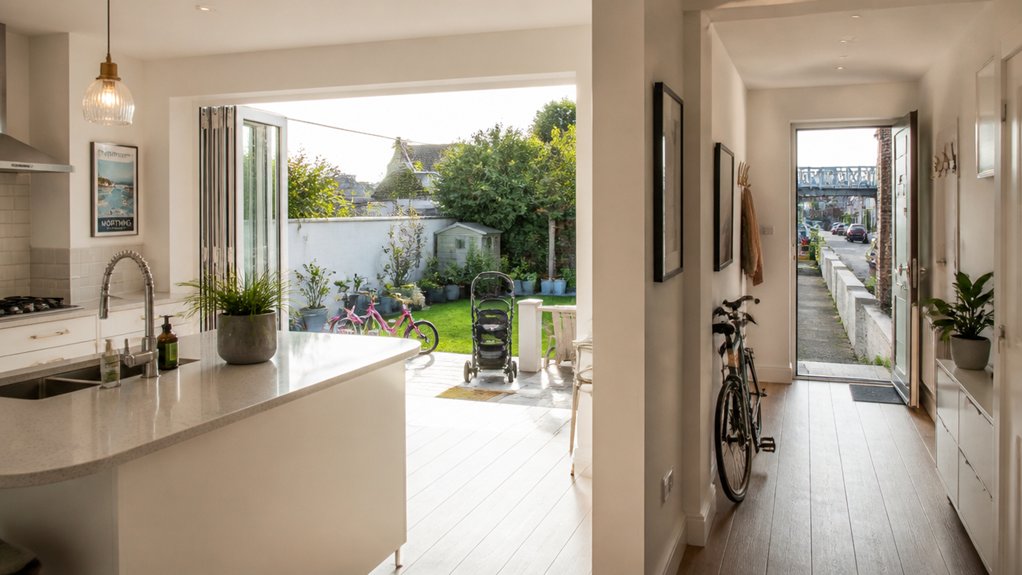
If you’re evaluating Worthing for buy-to-let, you’ll find demand shaped by families seeking space near schools and parks, alongside commuters using fast rail links to Brighton and London. This supports reliable occupancy across family houses, seafront flats and period conversions. Your returns will still depend on purchase price, tenant profile, operating costs and micro-location—especially around stations and key school catchments.
Key Takeaways
- Family demand is strongest for two- and three-bedroom houses near good schools, parks, gardens, storage, and parking.
- Fast rail links to Brighton and London underpin demand from commuters, especially near Worthing, West Worthing, and Goring-by-Sea stations.
- One-bedroom flats in central, seafront, and station locations often achieve Worthing’s strongest gross rental yields.
- Two-bedroom flats attract couples and sharers, while family houses generally offer lower yields but dependable long-term occupancy.
- Net returns depend on disciplined purchase prices, realistic rents, service charges, maintenance budgets, compliance costs, and potential void periods.
Is Worthing a Good Buy-to-Let Investment?

Worthing can offer a compelling buy-to-let proposition if you prioritise dependable tenant demand, coastal connectivity and income-led property selection.
You can often target stronger gross yields than in Brighton by focusing on well-priced flats, period conversions and houses needing light refurbishment.
Compare asking rents against completed sale prices by postcode, rather than relying on borough-wide averages, as yields vary sharply between the seafront, town centre, Goring and Broadwater.
Current Market trends favour stock that meets modern tenant expectations: efficient heating, good presentation and manageable running costs.
You should stress-test returns against mortgage rates, maintenance, voids, licensing requirements and letting fees.
Effective investment strategies typically combine a realistic rental appraisal with a disciplined purchase price, aiming for sustainable cash flow rather than speculative capital growth.
Check EPC ratings early; forthcoming efficiency rules could affect upgrade budgets and future lettability.
What Drives Worthing Rental Demand?
You’ll find Worthing’s rental demand supported by families seeking coastal space, established schools and everyday amenities.
Fast rail links to Brighton and London widen your tenant pool, while the seafront lifestyle helps retain renters.
These drivers can underpin stable occupancy and strengthen your buy-to-let yield prospects.
Family-Friendly Coastal Living
Families drive a resilient share of Worthing’s rental demand because the town combines coastal access with practical daily infrastructure: well-regarded schools, green space, rail links to Brighton and London, and a broad range of family-sized homes.
For you as a landlord, this creates dependable demand for two- and three-bedroom houses, particularly near parks, primary schools and neighbourhood shopping parades.
Coastal leisure adds tangible tenant appeal: families value the promenade, beach, playgrounds and outdoor activities that support lower-cost weekends.
Family safety also influences search behaviour, with renters prioritising quieter residential streets, walkable amenities and homes with gardens.
You can protect occupancy and support rents by offering practical layouts, storage, parking and good energy efficiency. These features widen your applicant pool, reduce void risk and strengthen long-term yield performance in Worthing’s family-led lettings market.
Brighton And London Connections
Fast rail connections make Worthing a practical rental base for commuters priced out of Brighton or seeking better value than London. Direct Southern services reach Brighton in around 20 minutes and London Victoria in roughly 1 hour 30 minutes.
You can target tenants who want lower housing costs without sacrificing access to major employment centres. Stations including Worthing, West Worthing and Goring-by-Sea widen your catchment, supporting demand across central and western neighbourhoods.
This connectivity helps landlords attract hybrid workers, rail commuters and professionals relocating from higher-priced markets. Your property’s proximity to a station can strengthen tenant appeal, reduce void risk and support achievable rents.
The Coastal lifestyle and Seaside community add differentiation, but transport remains the measurable driver: reliable journey times enable tenants to compare Worthing favourably with Brighton, Hove and London commuter alternatives.
Schools, Amenities And Lifestyle
Why do schools, everyday amenities and coastal lifestyle matter to rental performance in Worthing? They widen your tenant pool beyond commuters, supporting demand from families, professionals and downsizers. Homes near well-regarded schools, including Davison, Durrington High and local primary options, often attract longer tenancies because moving disrupts education and routines.
You’ll also find that walkable local amenities influence achievable rents and void periods. Access to supermarkets, cafés, healthcare, parks and rail stations makes areas such as Goring, West Worthing and central neighbourhoods practical for daily life.
Worthing’s seafront, beaches and promenade add a coastal lifestyle premium that Brighton-based renters may view as better value. For yield-focused investors, family-friendly streets can deliver steadier occupancy, while lifestyle appeal helps protect rental demand when affordability pressures rise across Sussex.
Who Rents in Worthing?
You’ll find Worthing’s rental demand spread across families seeking coastal space, London commuters, and local professionals.
Students add term-time demand, while downsizers and retirees support steady interest in well-located, low-maintenance homes.
Targeting the right property type to these tenant groups can strengthen occupancy and protect rental yield.
Families Seeking Coastal Space
As families look beyond Brighton’s higher rents, Worthing attracts tenants who want larger homes, practical schools and a coastal lifestyle without losing rail access to London. You’ll see strongest family demand for two- and three-bedroom houses near reputable primary schools, parks and everyday shopping in areas such as Tarring, Goring and Broadwater.
Family affordability remains a clear driver: tenants often gain more internal space, gardens and parking than comparable Brighton budgets allow.
For landlords, these households can support longer tenancies, reducing void risk and reletting costs. Prioritise practical layouts, secure outdoor space, storage and well-presented kitchens rather than premium finishes alone.
Coastal leisure also strengthens appeal, with the seafront, playgrounds and sports facilities helping tenants justify staying locally. Your yield strategy should balance achievable rent with durable, family-ready specification.
London Commuters and Professionals
London commuters and young professionals rent in Worthing for its relative value, coastal setting and direct rail links to Brighton and London Victoria. You can target tenants who want lower monthly costs than many London fringe locations while retaining access to office hubs and hybrid-working opportunities.
Areas near Worthing station, West Worthing and the seafront appeal where walkability, cafés and reliable services support rental demand.
For yield-focused landlords, one- and two-bedroom flats suit professional budgets and typically minimise void risk when priced against local competition.
Tenants also value Coastal leisure, including the promenade, water sports and nearby South Downs access, which strengthens Worthing’s lifestyle proposition.
Interest in Marine conservation and the town’s coastal environment can further differentiate well-presented homes near the shoreline.
Prioritise fast broadband, secure bike storage and efficient layouts to attract this mobile, quality-conscious renter base.
Students, Downsizers and Retirees
Beyond the professional market, Worthing attracts students, downsizers and retirees seeking practical homes close to transport, amenities and the coast. You can target Student housing demand around Worthing College, local training providers and rail links, where well-managed shared houses and compact one-bedroom flats can support steady occupancy.
Downsizer preferences typically favour lift access, walkable shops, low-maintenance layouts and seafront or town-centre proximity. Retirees often prioritise ground-floor accommodation, parking, accessible bathrooms and predictable running costs.
Focus on smaller, well-presented homes near Goring, West Worthing, Broadwater and central Worthing to widen your tenant pool. These renters may stay longer than short-term movers, helping reduce voids and reletting costs.
For yield, balance purchase price against service charges, EPC performance and realistic local rents; accessible stock can protect demand across changing market conditions.
Best Worthing Areas for Rental Investment

Worthing’s strongest rental investment areas combine reliable tenant demand with purchase prices that still support workable yields. You’ll often find the best balance in central Worthing, where station access, shops and the seafront broaden appeal to commuters, professionals and downsizers.
Tarring and West Worthing can attract dependable long-term renters, while Goring offers stronger Coastal property appeal for tenants seeking space and beach proximity.
For yield-led buying, look beyond premium seafront stock. Properties near Worthing and West Worthing stations can command resilient rents without the highest acquisition costs of waterfront flats.
Broadwater also merits attention: its access to the A27, town centre and rail links supports consistent demand. These Investment hotspots suit investors who prioritise occupancy, transport convenience and rent-to-price performance rather than headline prestige.
You can improve returns through well-presented one- and two-bedroom flats.
Family Homes Near Worthing Schools
Family homes near well-regarded Worthing schools can deliver stable, longer tenancies, particularly in Broadwater, Tarring, Goring and the catchments around Durrington. You’ll typically attract parents seeking two- and three-bedroom houses with gardens, usable storage and reliable parking, rather than short-term flexibility.
Prioritise streets within a practical school catchment for popular primary and secondary options, but verify admission boundaries annually because they can change. Proximity to nursery facilities, parks and everyday shops strengthens tenant appeal and can reduce void periods.
For yield, compare purchase price against achievable family rents, not headline asking figures. A well-presented three-bedroom house may produce a lower gross yield than a compact flat, yet longer occupancy can improve net returns through fewer reletting costs.
Budget for family-proof flooring, durable kitchens and compliant outdoor space.
Commuter Flats Near Worthing Station
Why do commuter flats near Worthing Station remain a core rental play? You capture demand from tenants who value a walkable rail link to Brighton, Hove and London Victoria, while wanting lower costs than many neighbouring coastal locations.
Properties within roughly 10 minutes’ walk of the station typically appeal to young professionals, couples and relocators seeking convenience without relying on a car.
You should prioritise clean, well-managed one and two-bedroom flats with secure entry, storage and practical layouts. Fast broadband and a presentable kitchen can materially improve tenant appeal.
The town centre’s shops, gyms and Beachside cafes support everyday convenience, while Coastal walks add lifestyle value beyond the commute.
Monitor service charges, lease length and parking restrictions closely: these directly affect your net return and buyer pool. Strong transport-led demand can help limit void periods when pricing stays competitive.
Worthing Rents and Yields by Property Type

Rental performance in Worthing varies sharply by property type, with one-bedroom flats often delivering the strongest gross yields due to lower purchase prices and steady demand from single professionals and commuters. You’ll typically find this segment performs well around the town centre, seafront and station catchment, where renters prioritise convenience over space.
Two-bedroom flats can command higher monthly rents and appeal to couples or sharers, though their yield percentage may soften as values rise.
Family houses in areas such as Goring, Tarring and Broadwater usually produce lower gross yields but offer resilient demand from tenants seeking schools, gardens and longer tenancies.
Monitor Market trends closely: flats respond fastest to commuter demand, while larger Property types benefit from Worthing’s family-led rental base. Match your purchase price to achievable local rent.
What Costs Reduce Landlord Returns?
Your headline yield in Worthing falls once you account for letting and management fees, maintenance, repairs and compliance costs.
You’ll also need to model tax, insurance and void periods, as even a short vacancy can materially reduce annual returns.
Track these costs against local achievable rents to calculate your true net yield.
Letting And Management Fees
In Worthing, letting and management fees can materially reduce net yield, particularly on lower-rent properties where fixed costs take a larger share of income. You’ll typically pay a tenant-find fee, often equivalent to several weeks’ rent, or ongoing management charges commonly set as a percentage of monthly rent.
On a £1,200-per-month flat, a 10% management fee removes £1,440 annually before other operating costs. Compare inclusive packages carefully: some cover referencing, tenancy agreements, rent collection, legal compliance administration, and deposit protection, while others charge separately.
Full management can suit you if you live outside West Sussex or want hands-off income, but self-management may improve cash flow where your time allows. Request a clear fee schedule, including renewal, checkout, and inventory charges, then model each cost against your expected gross yield before instructing an agent.
Maintenance, Repairs And Compliance
Maintenance, repairs and statutory compliance can erode Worthing landlord returns faster than headline yield suggests, especially in older coastal stock exposed to damp, salt air and wear. You should budget proactively for Property upkeep, particularly around seafront and Victorian properties, where corrosion, roof defects, condensation and drainage issues can escalate quickly.
A sensible annual reserve is often 5–10% of gross rent, with higher allowances for ageing homes or poor EPC ratings.
You must also price in regulatory compliance: annual gas safety checks, electrical condition reports, smoke and carbon-monoxide alarms, EPC upgrades and licensing requirements where applicable. Delaying remedial work risks tenant dissatisfaction, enforcement action and longer repair bills.
Track maintenance spend by property, prioritise preventative inspections, and factor expected capital works into your purchase price. That protects net yield, not just advertised rent.
Tax, Insurance And Void Periods
Even a well-maintained Worthing rental can underperform once tax, insurance and empty weeks are counted. You should model net yield, not just headline rent, before buying.
A four-week void cuts annual gross income by roughly 7.7%, while reletting costs, council tax during vacancy and utility standing charges add further pressure.
Tax planning matters because mortgage interest relief, allowable repairs and ownership structure affect your post-tax return. Keep clear records and seek specialist advice before assuming a limited company will improve outcomes.
Compare insurance options for buildings, landlord liability, rent guarantee and legal expenses; coastal weather exposure can make exclusions and excesses especially important.
In Worthing, pricing competitively near stations, schools and seafront employment hubs can reduce void risk.
Budget conservatively: your projected yield should still work after tax, cover and vacancy allowances.
How Brighton Demand Supports Worthing Rents
Brighton’s constrained rental supply and higher average rents continue to push tenants west along the coast, strengthening demand in Worthing’s rental market. You can benefit when renters seeking better value compare Brighton’s premium pricing with Worthing’s larger homes, seafront access and direct rail links to Brighton, Hove and London.
This spillover supports tenant demand across family-sized houses and well-presented flats, helping landlords protect occupancy and underpin achievable rents. Worthing also offers lifestyle appeal without Brighton’s price pressure: Coastal tourism supports its cafés, promenade and seasonal economy, while local wildlife around nearby beaches and green spaces broadens its attraction for households.
For your yield, the key is the rent-to-purchase-price gap. Worthing’s comparatively lower entry values can produce stronger gross yields, provided you price competitively and maintain a good standard.
How to Choose a Worthing Buy-to-Let
To choose a Worthing buy-to-let, start with the tenant profile and calculate achievable rent against the full purchase and running costs.
Families typically prioritise three-bedroom homes near schools, parks and Goring or West Worthing stations, while commuters value fast access to Worthing station and the A27.
Compare asking prices with recent sold data, then stress-test yields against mortgage rates, maintenance, insurance, licensing and void periods.
You’ll often find stronger gross yields in compact flats or houses needing light refurbishment, but assess service charges and lease length carefully.
Match tenant preferences to each micro-location: coastal lifestyle demand suits central and seafront areas, while larger homes appeal in Tarring, Broadwater and Goring.
Don’t rely solely on Property appreciation; buy where rent covers costs and demand remains resilient.
Frequently Asked Questions
What Landlord Licensing Rules Apply in Worthing?
In Worthing, you must follow national HMO licensing rules; additional selective schemes may change locally. Check Local licensing regulations, complete Tenant screening procedures, meet safety standards, and budget compliance costs to protect rental yields.
Are Short-Term Lets Profitable in Worthing?
Short-term lets can be profitable, but they’re a tide, not a guarantee. You’ll earn strongest yields from well-managed Vacation rentals and Luxury apartments near seafront stations, if occupancy, cleaning costs, regulations, and seasonality align.
How Long Does It Take to Evict a Tenant?
You’ll typically spend 3–6 months completing the Tenant eviction process in Worthing, though disputed cases can exceed six months. The legal eviction timeline affects void periods, so budget conservatively to protect your rental yield.
What Insurance Should Worthing Landlords Consider?
Cover your bases with Landlord insurance: buildings, liability, rent guarantee, legal expenses, and accidental damage. Property protection helps you safeguard Worthing yields against coastal weather, tenant risks, and void-period income losses.
Are There Restrictions on Converting Properties Into HMOS?
Yes, you’ll face Property restrictions and Conversion regulations in Worthing. Check Article 4 directions, planning permission, licensing thresholds, space standards, and amenity requirements. Model compliance costs carefully, as they can materially reduce your HMO yield.










Leave a Reply