


If you’re targeting a family home in Dulwich, you can’t rely on broad market averages or generic portals. You need a local agent who knows which streets command premiums, where schools shift demand, and which period homes come with planning constraints. When you align your must-haves, budget, and timing with that street-level insight, you move faster and negotiate cleaner—but only if you set it up properly…
Key Takeaways
- Choose a Dulwich agent with street-by-street pricing insight and evidence from recent comparable sales, not broad suburb averages.
- Share a ranked brief—must-haves, nice-to-haves, deal-breakers—tested against school runs, WFH needs, parking, and outdoor living.
- Ask the agent to map micro-locations: school catchments, parks, cafés, bus routes, and walkable shortcuts that affect family routines and value.
- Leverage agent networks for off-market and pre-launch homes, requesting specifics on street, condition, guide price, and supporting comparables.
- Set a bidding plan with a firm ceiling, buffer, and ready paperwork, so you can move fast without overpaying in competitive campaigns.
Define Your Dulwich Family-Home Must-Haves

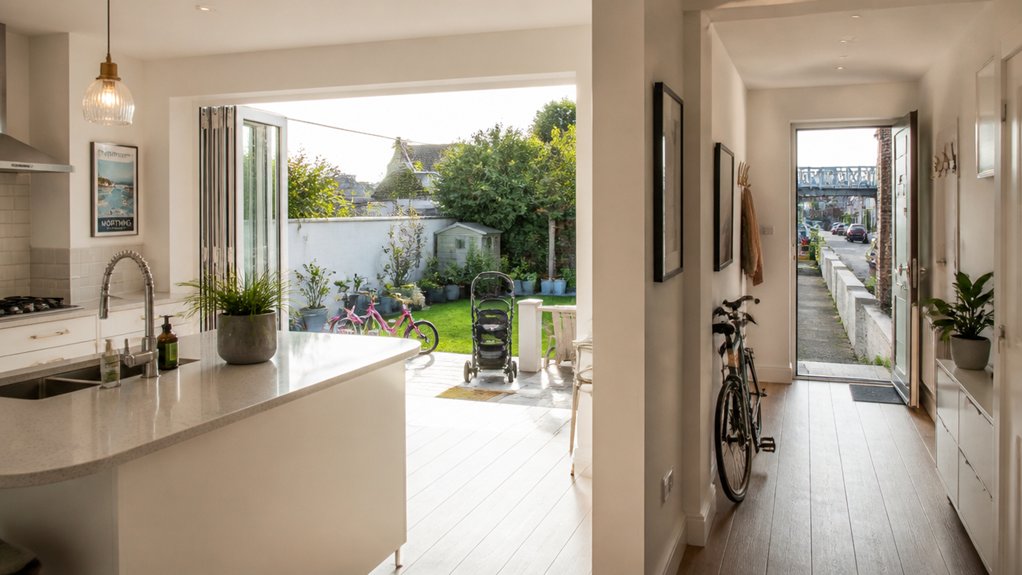
Before you book inspections in Dulwich, get crystal clear on the non-negotiables that will make a house work for your family day to day—think bedroom count and flexible living zones, a practical layout that lets you supervise kids easily, off-street parking, storage, outdoor space, and proximity to your preferred schools, parks, and transport.
Because the more specific your must-haves are, the faster you’ll spot genuine value and avoid costly compromises.
Rank each requirement as “must,” “nice,” or “deal-breaker,” then pressure-test it against your routines: school run, WFH calls, weekend sport, guests, and future kids.
Walk each property with your home layout checklist: sightlines to play areas, kitchen-to-living flow, noise separation, and bathroom access.
For outdoor space, measure usable lawn, shade, fencing, and entertaining zones—not just lot size.
Brief your agent tightly so they filter early.
Check What Your Budget Buys in Dulwich
Once you’ve locked in your Dulwich must-haves, put real numbers against them by mapping your budget to what’s actually trading in the suburb right now. Pull recent comparable sales and current listings, then run a tight Market comparison: land size, build quality, orientation, parking, and school-zone appeal. You’ll see quickly whether your price point fits a renovated family home, a solid-but-dated option with upside, or a townhouse alternative.
For Budget planning, factor in stamp duty, inspections, and likely uplift for “A-grade” features like quiet streets, modern kitchens, and second living areas. Set a clear ceiling, then build a bidding buffer for competitive campaigns. If the numbers don’t stack up, adjust your brief—bedroom count, condition, or block size—before you start inspecting.
Choose a Dulwich Agent With Street-by-Street Insight
Although Dulwich looks small on a map, pricing and buyer demand shift block by block, so you’ll get better outcomes with an agent who can speak to each street’s micro-market—traffic and parking pressure, school-zone pull, easement quirks, and which pockets command a premium for character homes versus new builds.
You’ll want someone who tracks recent comparable sales at the street level and explains why two similar façades can land miles apart on price. Ask how they factor Neighborhood history into value—heritage overlays, renovation sensitivity, and buyer preferences for period detail.
Make sure they map Local amenities precisely: walkable cafés, parks, bus routes, and the shortest school-run paths. With that insight, you can bid confidently, set realistic conditions, and avoid overpaying for a “Dulwich” label.
Ask Your Agent for Off-Market Dulwich Homes
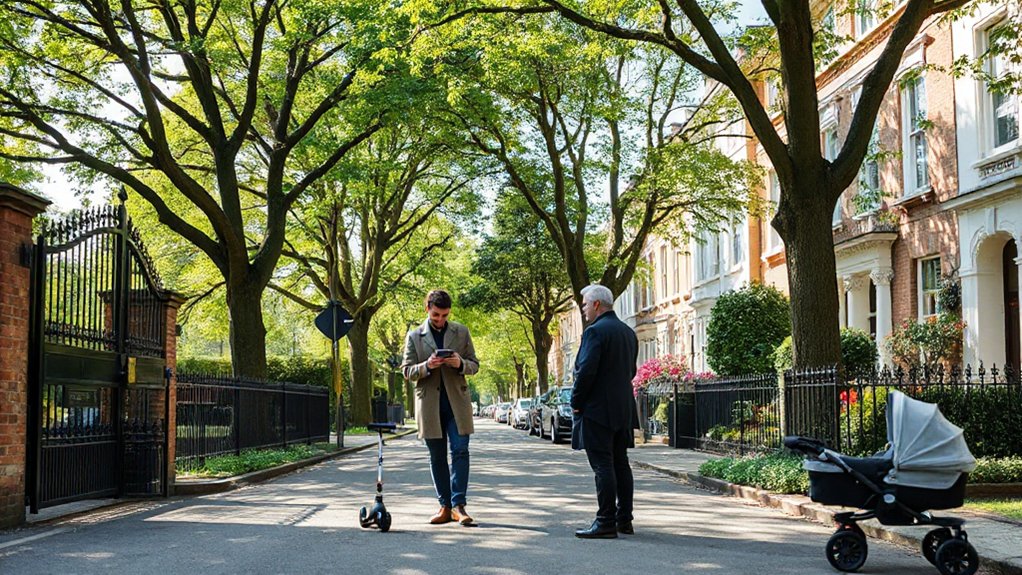
Street-level knowledge helps you price and negotiate, but it can’t create choice when tightly held Dulwich stock hits the portals late—or not at all—so ask your agent what off-market homes they can access right now.
Request a shortlist of vendors considering a quiet sale, probate situations, downsizers, and landlords testing demand. In an Exclusive neighborhood, many families prefer discretion: no photos, no open days, limited footfall.
Your agent should explain how they source these leads—past applicants, school-run conversations, solicitor referrals, and local contractor networks—and what “off-market” really means (pre-launch, private listing, or true direct-to-buyer).
Push for specifics: street, condition, tenure, likely guide, and what comparable sales underpin it. These Hidden property opportunities can widen your options without a portal bidding frenzy.
Get Viewing-Ready and Move Fast in Dulwich
To win in Dulwich, you’ve got to be viewing-ready before the best listings hit your inbox, so line up mortgage-ready documentation and keep it shareable at a moment’s notice.
Set up rapid viewing scheduling—flexible time slots, confirmed transport, and instant feedback—so you don’t lose momentum.
Then prep your offer strategy in advance, including price limits, key terms, and a clean timeline, so you can act fast with confidence.
Mortgage Ready Documentation
How quickly can you move when the right Dulwich listing hits the market? Your speed starts with mortgage-ready paperwork that lets your agent position you as a low-risk buyer from day one.
Complete the pre-approval process early, then keep your lender’s decision-in-principle, deposit proof, and ID in one shareable folder.
Tighten your credit documentation: recent payslips, P60s, SA302s if you’re self-employed, bank statements showing salary and deposit build-up, and any gifted-deposit letters.
Flag big spends, overdrafts, or new credit lines before underwriting does.
Confirm your budget ceiling, fees, and product expiry dates so you don’t renegotiate mid-offer.
When you’re organised, you can bid confidently and credibly.
Rapid Viewing Scheduling
When a well-priced Dulwich home launches, you’ll often have a 24–72 hour window to view before the best slots disappear. Lock in a viewing the moment your agent flags it, and keep daytime flexibility for midweek appointments that beat weekend crowds. Confirm travel time, parking, and school-run constraints so you don’t lose minutes on arrival.
Do your neighborhood research before you step inside: walk the streets, note noise, light, and routes to stations, parks, and schools. Use virtual tours to pre-qualify layout, storage, and garden orientation, then reserve in-person time for condition, smells, damp, and window quality.
Bring a tape measure, list your must-haves, and take photos with permission. You’ll compare homes faster and decide calmly.
Offer Strategy Preparation
Because Dulwich listings can shift from “available” to “under offer” in days, you need an offer strategy lined up before you start serious viewings—set your ceiling price, confirm your deposit and mortgage position (or proof of funds), and decide which terms you’ll use to win (chain status, preferred completion timing, and survey stance) so you can move fast without overpaying.
Ask your agent for recent agreed prices, not just asking levels, and tailor market timing to the street and school catchment.
Prepare Negotiation tactics: lead with clean paperwork, shorten deadlines, and signal reliability without revealing your full budget. If you’re competing, consider a best-and-final cap and a clear completion date.
Keep survey protections sensible, and pre-brief your solicitor so your offer lands credible.
Make a Dulwich Offer Sellers Can Say Yes To
While Dulwich homes can attract multiple bidders within days, you can still put forward an offer a seller will seriously consider by leading with clean terms, credible finance, and a price that reflects recent comparable sales—not guesswork. Ask your agent for the street-by-street evidence: last 90 days, condition adjustments, and any premium for gardens or school catchments. Then set your ceiling and move decisively.
Use negotiation tactics that reduce friction: shorten timelines, cap survey renegotiations, and offer a flexible completion date that suits the chain. Strengthen credibility with an Agreement in Principle, proof of deposit, and a solicitor ready to instruct.
Add emotional appeal without overdoing it—briefly explain why the home fits your family and that you’ll respect it. Keep follow-ups firm, polite, and timed.
Frequently Asked Questions
How Do Dulwich School Catchment Boundaries Affect Property Desirability?
Dulwich school catchment boundaries boost Property desirability by narrowing eligible streets, driving competition and price premiums. You’ll see faster sales and fewer discounts inside the School catchment, while adjacent areas trade cheaper but risk oversubscription.
What Annual Maintenance Costs Are Typical for Victorian and Edwardian Dulwich Homes?
You’ll typically budget £2,500–£6,000 annually for Victorian/Edwardian Dulwich upkeep; it isn’t “overkill” because Historic architecture needs proactive Maintenance scheduling. Plan for roofs, gutters, damp-proofing, boilers, repainting, and periodic timber repairs.
Do Dulwich Conservation Areas Restrict Renovations, Loft Conversions, or Window Replacements?
Yes—Dulwich conservation areas can restrict renovations, loft conversions, and window replacements. You’ll often need planning consent, match materials, and satisfy Historic preservation and Building regulations. You should budget extra time for approvals and specialist builders.
How Can I Check Flood Risk, Subsidence History, and Local Planning Constraints?
Check Flood zones via the Environment Agency, review council mapping for constraints, and order searches with your solicitor. Commission subsidence reports and review insurers’ claims history. You’ll spot deal-breakers early, price confidently, and negotiate.
What Are the Typical Solicitor and Survey Timelines for Dulwich Property Purchases?
You’ll typically allow 8–12 weeks from offer to completion: 1–2 weeks for Title deeds and searches, 1–3 weeks for property surveys, then 3–6 weeks for enquiries, mortgage, exchange, and completion.




Leave a Reply