

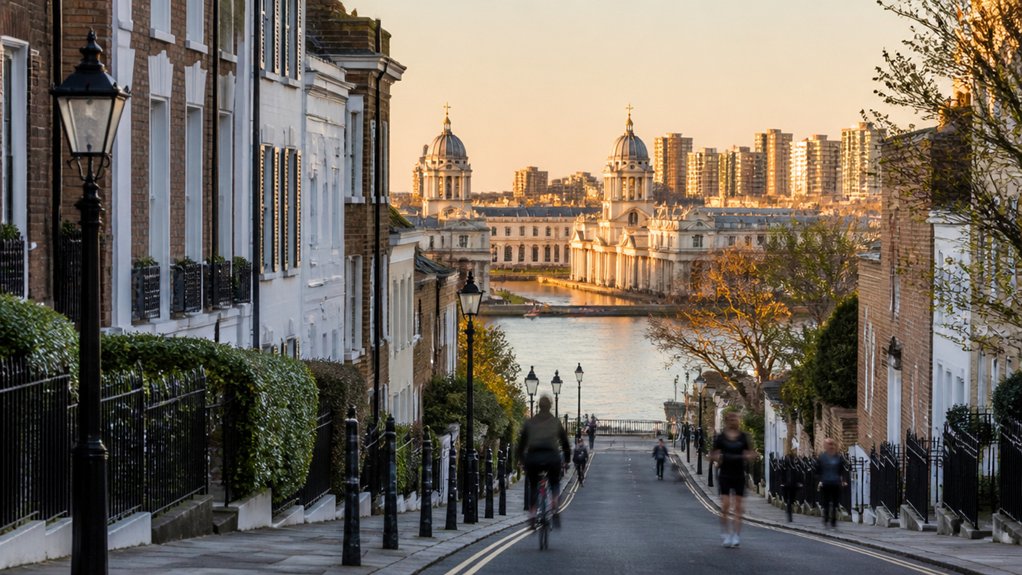
You’re buying into Greenwich’s layered history as much as its postcode, so you’ll need an all-in budget that accounts for surveys, leasehold costs, and potential consents. You can choose riverside views with premium pricing and service charges, or inland streets with stronger value and quieter stock. If you’re eyeing Georgian or Victorian homes, conservation rules and listed status can change what you can alter—and what you must repair. The next step is where most buyers misjudge the trade-offs…
Key Takeaways
- Set a full purchase budget covering deposit, SDLT, surveys, legal fees, moving costs, and a contingency for heritage repairs.
- Choose micro-locations carefully: riverside premiums offer views and amenities, while inland streets provide quieter living, community feel, and easier parking.
- Check transport links to match commuting needs, including DLR, Southeastern trains, Jubilee line, river boats, cycling routes, and road congestion hotspots.
- For historic or listed homes, use specialist surveys and confirm past consents, conservation rules, Article 4 restrictions, and permission needs before alterations.
- For flats, scrutinise lease length, ground rent escalation, service charges, reserve funds, and planned major works by reviewing recent accounts and budgets.
Work Out Your All-in Budget for Greenwich

Before you fall for a Georgian terrace near the Park or a riverside flat with Cutty Sark views, you’ll want to pin down your true all-in budget for Greenwich—because the headline purchase price is only the start.
Build budget planning around deposit size, mortgage fees, valuation, survey, and legal costs, then add SDLT and moving expenses.
If you’re buying a listed or period home, factor specialist surveys (timber, damp, roof) and conservation-led repairs; sourcing matching sash windows or lime plaster won’t come cheap.
For flats, run hard financial considerations on service charges, reserve funds, ground rent, and planned major works.
Ask for management packs early, model rate rises, and keep a contingency for surprises.
Pick Your Greenwich Area: Feel, Price, Vibe
Once you’ve set your all-in budget, you’ll need to choose which part of Greenwich fits your lifestyle, because feel and price shift street by street.
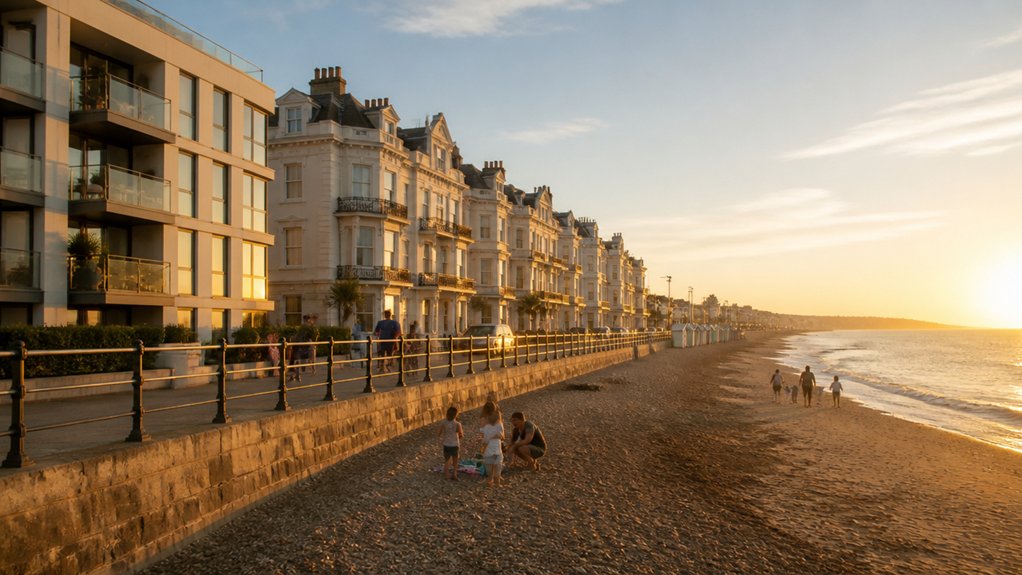
You’ll pay a clear premium in the riverside pockets near the Cutty Sark, the Naval College, and Greenwich Park’s edges, where period terraces and converted warehouses carry heritage appeal.
If you want village charm with stronger value, you’ll find it a little back from the river around Greenwich Market and the conservation-area lanes, where character stays high and price per square foot often softens.
Riverside Premium Pockets
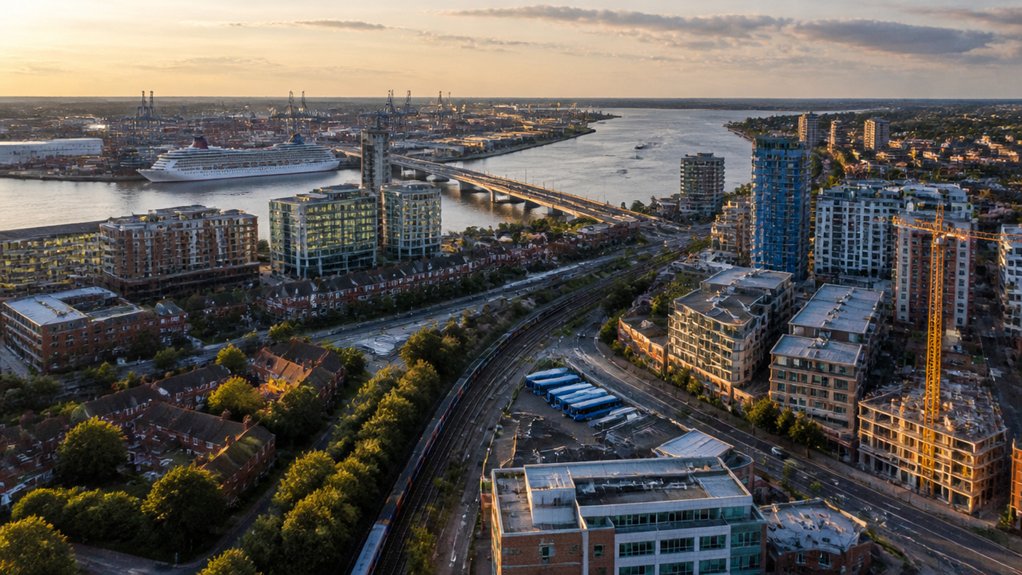
Although Greenwich has plenty of solid value beyond the riverfront, the true “premium pockets” sit along the Thames where period architecture, protected views, and day-to-day amenity collide. You’ll pay for Riverside views and the calm prestige they bring, especially where heritage façades meet uninterrupted sightlines to passing clippers and City towers.
Focus your search around the Royal Naval College frontage, the refined stretches near Greenwich Pier, and the edges by Deptford Creek where newer schemes still trade on historic setting. In these premium neighborhoods, value hinges on aspect, balcony depth, and whether your elevation clears riverside trees.
Check conservation constraints, flood-risk statements, and lease terms on modern blocks. Prioritise buildings with well-run service charges, quiet glazing, and direct access to the Thames Path.
Village Charm And Value
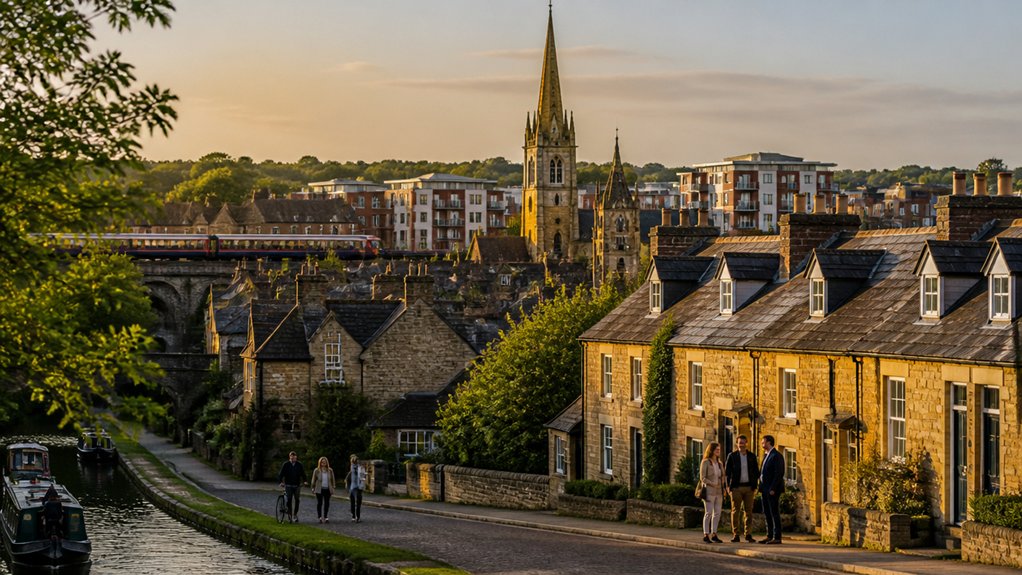
If you want Greenwich’s most liveable mix of character and day-to-day practicality, look beyond the riverfront and into the village streets where Georgian terraces, Victorian cottages, and conservation-led shopfronts set the tone.
Here, you’ll trade trophy views for a steadier price point and a true Village atmosphere, with coffee queues on Nelson Road and weekend browsing around Greenwich Market.
Period homes often sit within tight planning controls, so you’ll want surveys that check sash windows, damp, and sympathetic roof repairs.
You’re also closer to the everyday: independent grocers, pubs, primary schools, and the Cutty Sark DLR sit within an easy walk, so your commute and errands stay simple.
This pocket rewards buyers who value heritage details but need local amenities on hand.
Decide on Riverside Greenwich or Inland Streets
Whether you’re drawn by the Thames or by Georgian terraces set back from the bustle, choosing between riverside Greenwich and the inland streets will shape not just your view, but your day-to-day rhythm and long-term value.
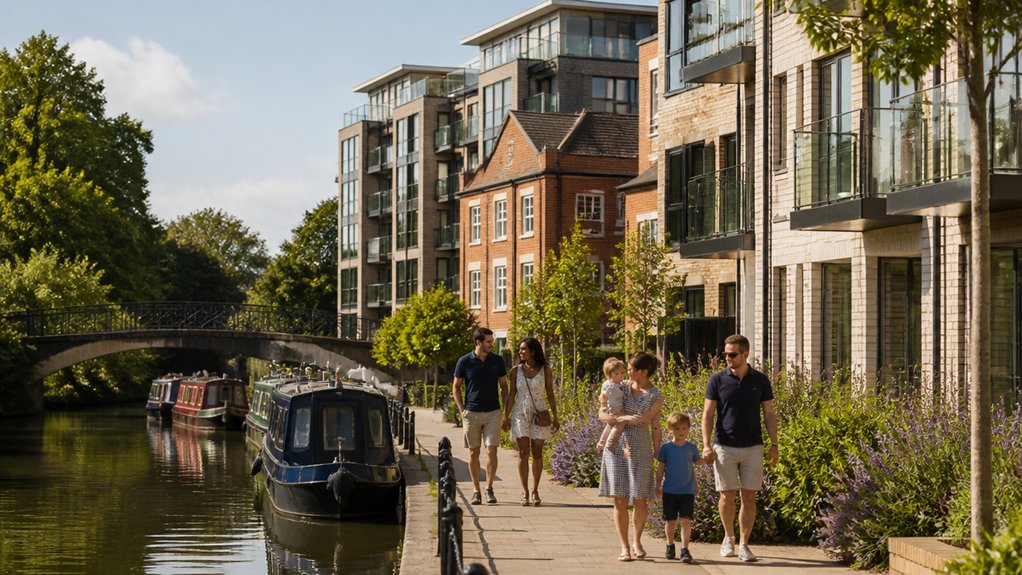
Riverside addresses put you nearer Riverfront amenities: the Thames Path for dawn walks, Cutty Sark pier for fast City commutes, and a café culture that tracks the water and weekend footfall. You’ll also weigh exposure, flood history, and premium service charges in managed blocks.
Head inland and you’ll trade spectacle for steadier quiet and stronger community routines. Inland neighborhood amenities cluster around the Park, schools, markets, and independent shops on Greenwich Church Street, often with easier parking and fewer visitor surges.
Match the micro-location to how you actually live, not just weekends.
Compare Greenwich Homes: Georgian, Victorian, New Builds
As you compare Greenwich homes, you’ll notice Georgian properties favour balanced façades, generous proportions, and orderly room layouts built for formal entertaining.
Victorian houses bring bays, fireplaces, and loft or side-return potential, but you’ll want to check how sensitively they’ve been upgraded—wiring, insulation, sash repairs, and damp treatment.
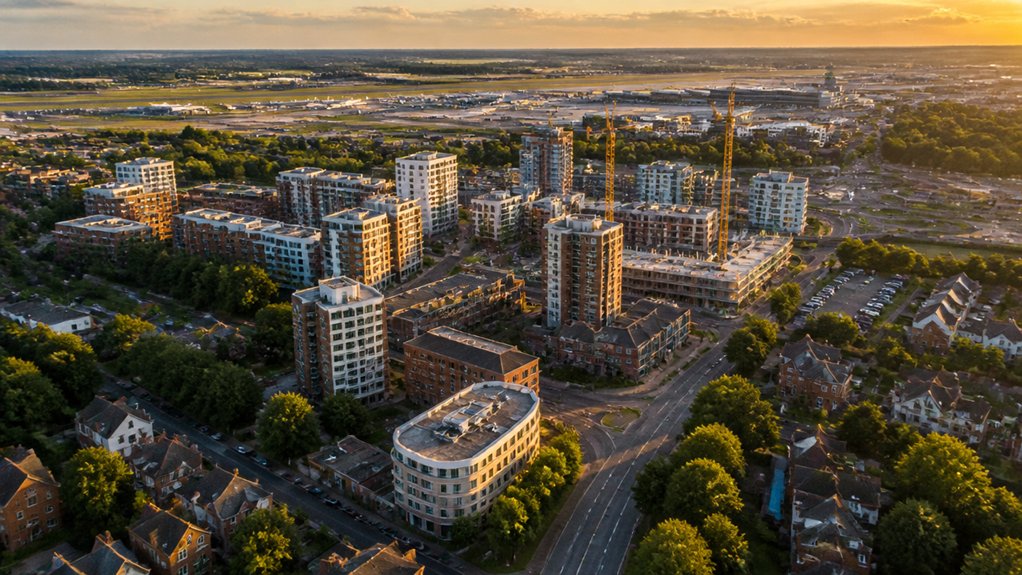
New builds trade period detail for lift-ready access, strong EPCs, and modern warranties, so you can weigh day-to-day comfort and running costs against heritage appeal.
Georgian Elegance And Layouts
Because Greenwich grew into a centre of 18th‑century maritime wealth and planning, its Georgian homes still set the benchmark for proportion and flow: you’ll typically find symmetrical façades, tall sash windows, and calm, balanced rooms arranged around a straightforward hallway and staircase.
Inside, you can expect generous ceiling heights, disciplined joinery, and fireplaces set on the party wall, with principal reception rooms facing the street for light and status. Bedrooms stack neatly above, while service spaces sit to the rear and lower levels, keeping circulation clear.
Your interior decor choices often suit restrained plasterwork, timber floorboards, and carefully scaled shutters rather than heavy ornament.
Outside, garden design tends toward walled, rectilinear plots, favouring clipped planting, gravel paths, and discreet storage, preserving a composed, historic setting.
Victorian Character And Upgrades
Georgian order gives way to a more expressive Victorian streetscape in Greenwich, where late‑19th‑century terraces and villas often add bay windows, brick detailing, and a looser plan built around family life rather than strict symmetry. You’ll spot polychrome brick bands, encaustic path tiles, stained glass, and tall chimneys that define Victorian architecture and reward careful surveying.
Inside, you can expect wider stair halls, rear extensions, and generous ceiling roses, but also layers of alteration. Prioritise home upgrades that respect fabric: repair sash cords, overhaul rainwater goods, repoint in lime, and retain original joinery.
Check for damp at bay bases, cracking around openings, and past wall removals. If you’re in a conservation area, confirm consent history and approved materials.
New-Build Comfort And Efficiency
While Greenwich’s older streets reward you with patina and craft, new-build homes trade that romance for predictable comfort and efficiency. You’ll usually get tighter envelopes, better glazing, and mechanical ventilation that keeps humidity steady—useful near the Thames.
Energy efficiency typically means lower bills and easier EPC compliance, and warranties reduce the “surprise roof” risk common in period stock.
You also gain modern amenities: lift access, secure entry, bike storage, and integrated kitchens that don’t fight awkward chimney breasts or uneven walls. Check specification sheets for insulation values, heat-pump readiness, and acoustic ratings, especially if you’re near rail lines.
Ask how the design nods to local brickwork, cornice rhythms, or conservation-area massing, so convenience doesn’t erase Greenwich’s historic grain.
Check Leasehold, Service Charges, and Ground Rent
Before you commit to a flat in Greenwich—especially in one of its period conversions or riverside developments—scrutinise the leasehold terms, service charges, and ground rent as closely as you’d the building’s fabric and provenance.
Read the Lease terms for length, escalation clauses, and restrictions on subletting, pets, or alterations that could affect future saleability.
Request the last three years’ accounts and the current budget so you can test whether service fees reflect real maintenance or bloated managing-agent costs.
Check whether major works are planned and whether a reserve fund exists, as heritage façades, sash windows, and communal roofs can be costly to maintain.
Finally, interrogate ground costs for doubling clauses or index-linking, and confirm any rent review dates before you exchange contracts.
Buying Listed Homes in Greenwich: Surveys and Consents
Once you’re satisfied the lease or freehold paperwork stacks up, treat listed status in Greenwich as its own layer of due diligence: you’ll need the right survey and a clear view of what you can—and can’t—change.
Instruct a surveyor experienced with period fabric to assess movement, damp, roof structure, and any past alterations, noting breathable materials, timber decay, and non-standard services.
Ask your solicitor to obtain the listing entry and any previous consents, then match them against what’s on site. Historic restrictions can cover windows, doors, fireplaces, staircases, plasterwork, and even paint systems.
If you’re planning works, price in measured drawings, heritage statements, and specialist contractors. Renovation permissions must be secured before you alter or remove historic features, even for “like-for-like” repairs.
Conservation Areas: What Greenwich Planning Allows
Although a home in a Greenwich conservation area isn’t automatically listed, the planning rules still shape what you can do to its exterior and setting, so you should treat the designation as a practical constraint on alterations from day one.
You’ll often need permission for new windows, rooflights, dormers, cladding, satellite dishes, boundary walls, and front-garden paving, especially where the street scene is coherent. Expect tighter control on materials, profiles, brickwork, and paint colours, with Heritage preservation guiding decisions.
If you’re extending, you’ll need designs that sit back from principal elevations, protect key views, and respect historic plot patterns. Check whether Article 4 Directions remove permitted development rights and read local zoning regulations for shopfronts, signage, trees, and rear outbuildings.
Budget time for pre-application advice.
Transport in Greenwich: Best Routes and Trade-offs
Heritage rules may shape what you can change on a Greenwich home, but day-to-day value often comes down to how quickly you can move across the river, reach the City, or connect to Canary Wharf without relying on a car.
For Public transit, you’ll weigh DLR at Cutty Sark/Greenwich for Wharf access, Southeastern trains from Greenwich or Maze Hill for London Bridge/Cannon Street, and the Jubilee line via North Greenwich for fast West End links.
River boats from Greenwich Pier add a scenic commute, but timetables and weather matter.
Cycling works well along the Thames Path, though pinch points appear near historic town streets.
Driving gives flexibility, yet traffic congestion around Blackwall Tunnel, the A102, and park event days can erode any advantage.
Schools and Making an Offer in Greenwich
Before you fall for a Georgian terrace or a riverside flat, map the school catchments and admissions rules that actually apply to that address, then shape your offer around the realities of competition and conservation constraints.
Greenwich has varied School options: strong local primaries, selective pathways, and independents near Blackheath and the Park, but distances can shift annually, so check last-offer cut-offs and transport links.
If you’re targeting a listed home or a property in a conservation area, confirm what alterations are permissible, because buyers pay for potential as much as bricks.
Build Offer strategies around evidence: recent sold prices on the same street, survey findings, lease terms, and any Section 106 or cladding notes.
Move fast, but keep conditions tight.
Frequently Asked Questions
What Are the Annual Council Tax Bands and Typical Bills in Greenwich?
Like a compass for your budget, you’ll find council tax bands A–H in Greenwich, with typical annual bills roughly £1,300–£3,900. In the Greenwich property market, factor Historic home maintenance, as banding reflects valuation and local services.
How Do Flood Risk Maps Affect Mortgage Approval Near the Thames?
Flood risk maps can delay or restrict your mortgage near the Thames, since lenders assess Flood zone classifications and demand suitable cover. You’ll face Insurance premium variations, and surveys on heritage basements, damp resilience, too.
Are There Common Insurance Issues for Period Homes in Greenwich?
Yes—period homes often trigger higher premiums and exclusions for listed status, subsidence, and nonstandard materials. You’ll need specialist cover for Historic restoration, document upgrades, and keep receipts to support Insurance claims.
Which Local Amenities Matter Most for Resale Value in Greenwich?
Like a well-kept hearth, the strongest resale drivers are Neighborhood schools and swift Transportation options—rail links, commute times, and walkable hubs. You’ll also boost value with conserved streetscapes, parks, riverside access, and trusted high-street services.
How Long Do Typical Greenwich Purchases Take From Offer to Completion?
You’ll usually complete in 8–12 weeks from offer, though leaseholds or complex chains can stretch to 16+. You’ll move faster if you’ve secured surveys, checked historic architecture constraints, and finalised property valuation early.

Leave a Reply