


In 2025, you’ll find Slough balancing commuter demand, local employment and improving transport access, with prices ranging from roughly £250,000 for flats to £900,000 for larger detached homes. Langley, Cippenham and Upton continue to attract different buyer profiles, while family demand concentrates around schools and green space. Your best option depends on budget, journey times and long-term resilience—but the gaps between neighbourhoods may be wider than expected.
Key Takeaways
- Slough’s 2025 market is selective, with well-priced, energy-efficient homes near transport and schools attracting the strongest buyer interest.
- Typical prices range from £250,000–£325,000 for flats to £750,000–£900,000 for detached family homes.
- Langley, Cippenham, Upton, Wexham and northern Slough appeal to families seeking schools, gardens, parking and green space.
- Areas near Slough and Langley Elizabeth line stations offer stronger commuter demand, rental appeal and resale resilience.
- Buyers have greater negotiating power, particularly on flats, homes needing refurbishment and properties with weaker transport links.
Slough Property Market 2025: Key Figures
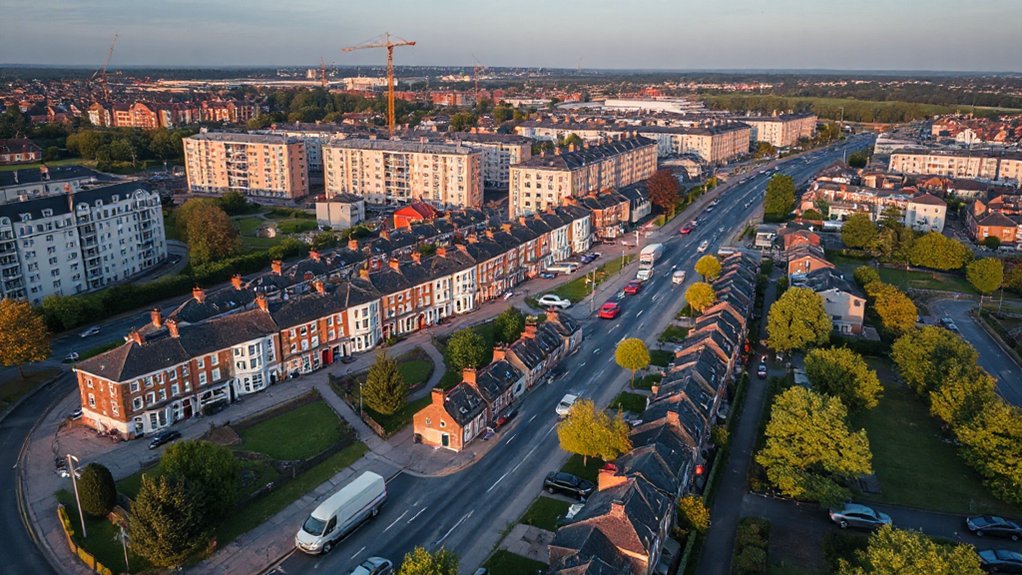
Slough’s property market enters 2025 with average sale prices, buyer demand and transaction volumes reflecting a more selective market than during the post-pandemic peak. You’ll find pricing remains supported by London connectivity, major employment hubs and constrained supply, although buyers now scrutinise value, energy efficiency and commute times more closely.
Mortgage-rate expectations will shape activity: falling borrowing costs could release pent-up demand, while persistent affordability pressures may limit rapid price growth. Market trends point to longer selling periods and stronger negotiation on initially ambitious listings.
For sellers, accurate pricing will matter more than headline optimism; for buyers, this creates scope to secure better terms. Investors should monitor yields against financing costs, local rental demand and regeneration delivery.
Investment opportunities remain strongest where transport access and tenant demand underpin resilient occupancy.
Slough House Prices by Property Type
You can benchmark Slough’s market by comparing average prices for flats, terraced homes, semi-detached houses, and detached properties.
Price gaps reflect each segment’s space, location, and buyer profile.
You’ll also see demand vary by type, with affordability shaping activity in lower-priced categories and family demand supporting larger homes.
Average Prices by Type
Property type drives a clear price gradient across Slough’s market: detached homes typically command the highest values, followed by semi-detached houses, terraced properties and flats.
You’ll generally see detached properties priced around £750,000 to £900,000, reflecting larger plots and family-oriented layouts. Semi-detached homes commonly sit near £500,000 to £600,000, while terraced houses average roughly £400,000 to £475,000. Flats provide the lowest entry point, often ranging from £250,000 to £325,000, although newer developments can exceed this band.
These figures illustrate local market trends rather than fixed valuations; condition, tenure, parking and proximity to transport can materially shift pricing. If you’re evaluating investment opportunities, compare each property’s asking price with recent completed sales, likely renovation costs and achievable rental income before making an offer.
Demand Across Property Types
Price bands alone don’t determine market performance; buyer demand varies sharply by property type and location. If you’re buying in Slough, two-bedroom flats attract first-time buyers and investors seeking lower entry costs, rental liquidity and transport access. Demand is strongest near Slough station, Elizabeth line connections and major employment hubs, although service charges can affect buyer decisions.
Terraced and semi-detached houses generate broader competition from families prioritising gardens, parking and school catchments. These homes typically achieve faster sales where buyers can access the M4, Heathrow or central London commutes.
Detached properties face a smaller buyer pool but retain appeal among higher-income households seeking space.
Current Market trends show resilient demand for practical family housing, while well-priced flats offer selective Investment opportunities. You’ll need to assess tenure, condition and micro-location, as these factors increasingly shape saleability and achievable pricing.
Best Slough Areas by Budget
If your budget is under £400,000, you’ll find Slough’s strongest value in areas where entry prices remain accessible and transport links support demand.
Above £500,000, you can target premium neighbourhoods with larger homes, stronger school catchments, and limited supply.
Comparing local price bands helps you match your budget to the market segment with the best fit.
Affordable Areas Under £400k
Although Slough’s average values sit above many nearby Berkshire markets, buyers with budgets under £400,000 can still target well-connected areas such as Cippenham, Chalvey, Langley and parts of central Slough. You’ll typically find purpose-built flats, older terraces and selected two-bedroom houses within this range, although condition, lease length and parking materially affect pricing.
Cippenham offers rail access and family demand, while Chalvey can deliver lower entry prices for investors and first-time buyers.
Langley’s Elizabeth line connectivity supports stronger buyer competition, so you’ll need to act quickly on realistically priced listings.
Central Slough provides the broadest stock of affordable housing, particularly apartments near transport and employment hubs.
To improve property affordability, compare service charges, energy ratings and likely refurbishment costs, not simply the asking price.
Under £400,000, well-presented homes with clear resale appeal attract demand.
Premium Neighbourhoods Above £500k
For buyers spending above £500,000, Slough’s strongest options centre on larger family homes in Langley, Cippenham, Wexham and the borough’s northern residential pockets. You’ll typically find four-bedroom detached or extended semi-detached houses, where gardens, parking and school catchments drive price premiums.
Langley benefits from Elizabeth line access, supporting demand from London commuters and helping well-presented homes command stronger offers.
In Wexham and northern Slough, you can target quieter streets, larger plots and access to grammar schools, although supply remains limited.
Cippenham offers relative value for buyers seeking space near transport links.
Market trends show premium stock sells fastest when priced accurately and upgraded to modern standards.
Luxury apartments above £500,000 are less common, so you’ll generally achieve better choice and resale resilience through family houses with practical layouts, energy-efficient improvements, and off-street parking.
Best Slough Areas for First-Time Buyers
First-time buyers in Slough typically find the strongest value in areas that balance lower entry prices with fast access to transport, employment and everyday amenities. Central Slough offers the widest selection of flats, where you can often target lower deposit requirements and benefit from Elizabeth line connectivity.
Langley remains competitive for buyers prioritising rail access to London and Heathrow, although values generally sit above town-centre levels.
Chalvey can provide more attainable terraced-house and flat options, supporting buyers who want space without moving beyond Slough’s employment base.
Compare service charges, lease length and EPC ratings carefully, as these materially affect affordability and resale demand.
Historical rental trends also indicate sustained tenant interest near stations and major employers, creating property investment opportunities if you later let your home.
Focus on mortgage-ready stock and realistic monthly costs, not headline asking prices alone.
Best Slough Neighbourhoods for Families
For family buyers, you’ll typically prioritise school catchments, access to parks and the strength of everyday amenities when comparing Slough neighbourhoods.
Areas with reliable rail, road and bus links can also support long-term demand by reducing commuting friction.
Your shortlist should balance these practical factors against local price levels and available family-sized housing.
Family-Friendly School Catchments
Which Slough neighbourhood suits your family often depends on school catchment priorities as much as budget and commute time. You’ll find sustained buyer demand around well-regarded primaries and secondary options, particularly in Langley, Upton and parts of Wexham, where catchment eligibility can influence pricing, offer competition and resale liquidity. Check each school’s published admission criteria, distance thresholds and annual oversubscription data before committing, as boundaries can change.
Langley attracts families balancing rail access with established housing stock, while Upton appeals if you value proximity to central amenities and historic landmarks. Wexham’s larger homes can suit growing households, although availability remains limited.
Even luxury apartments near transport links may appeal where school access and practical layouts align. Prioritise verified catchment information over agent assumptions, because it materially affects your purchase decision and future buyer pool.
Parks And Green Spaces
Access to usable green space strengthens family appeal across Slough, particularly where parks complement larger homes, schools and everyday amenities. You’ll see this reflected in buyer scrutiny of walkable recreation, safe play areas and mature surroundings, which can widen a property’s resale audience.
Upton Court Park remains a key reference point for central and western family searches, while Salt Hill Park adds value for households prioritising formal sports and children’s facilities.
In Langley, proximity to green spaces such as Kedermister Park can support demand for family-sized houses, especially where gardens are modest.
Urban parks don’t automatically create a price premium, but they can protect demand during slower conditions by differentiating comparable stock.
When evaluating neighbourhoods, you should compare park access, maintenance standards and usable open space against local asking prices.
Transport Links And Amenities
Transport links and everyday amenities materially shape family demand in Slough, with buyers often balancing school runs, commuting times and access to shops, healthcare and leisure facilities. You’ll typically see stronger interest near Slough and Langley stations, where Elizabeth line services improve access to Paddington, central London and Heathrow connections.
This commuter advantage supports resale liquidity, particularly for family houses within walkable catchments.
Transportation upgrades, including improved rail capacity and road-network investment, can widen buyer pools, although congestion around key routes remains a pricing consideration.
For daily convenience, neighbourhoods with established local shopping parades, supermarkets, GP surgeries and sports facilities attract buyers seeking lower car dependency.
You should assess peak-time journey reliability, not headline travel times alone, because practical accessibility increasingly influences offers, rental demand and long-term value.
Central Slough: New Builds and Regeneration
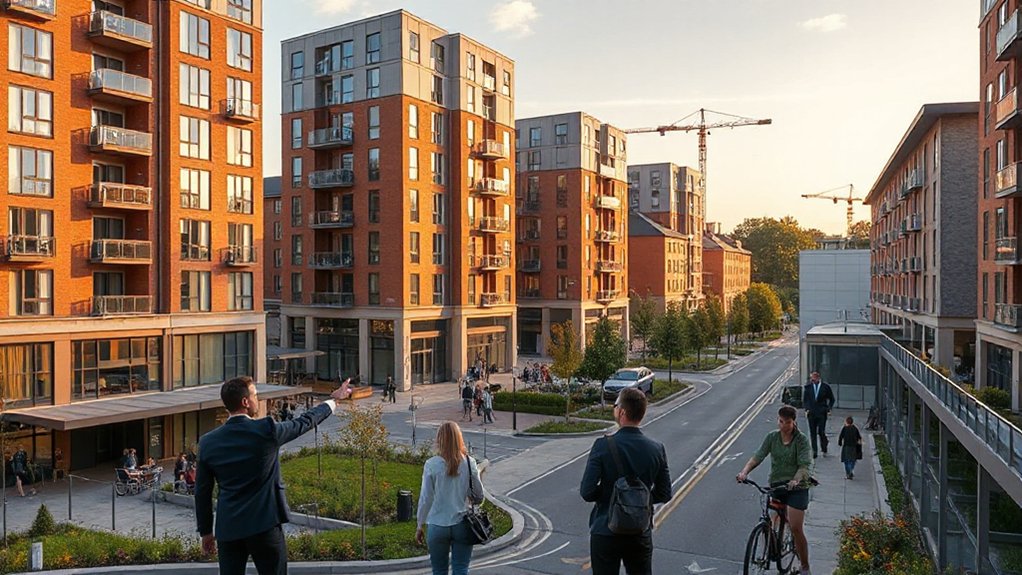
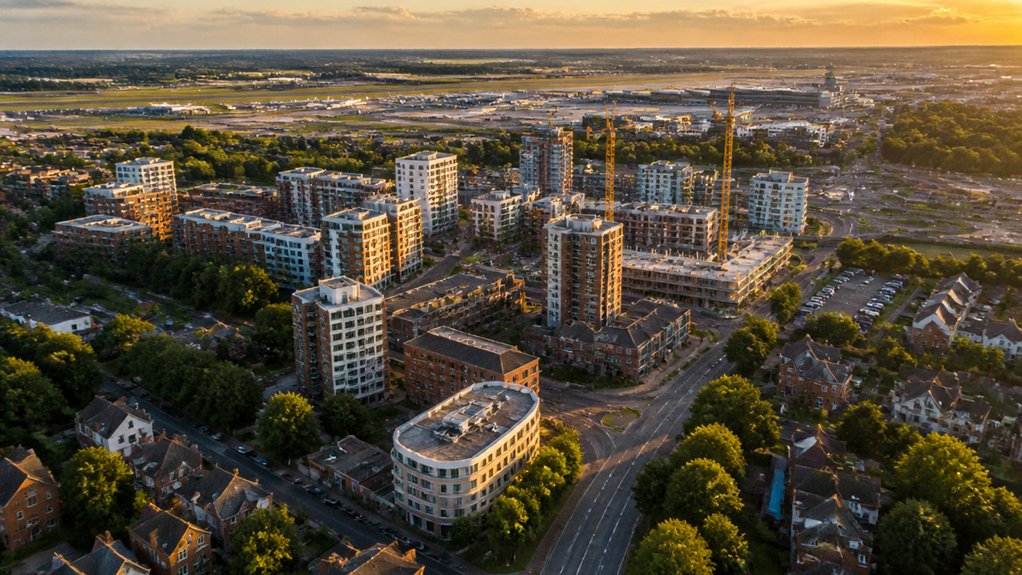
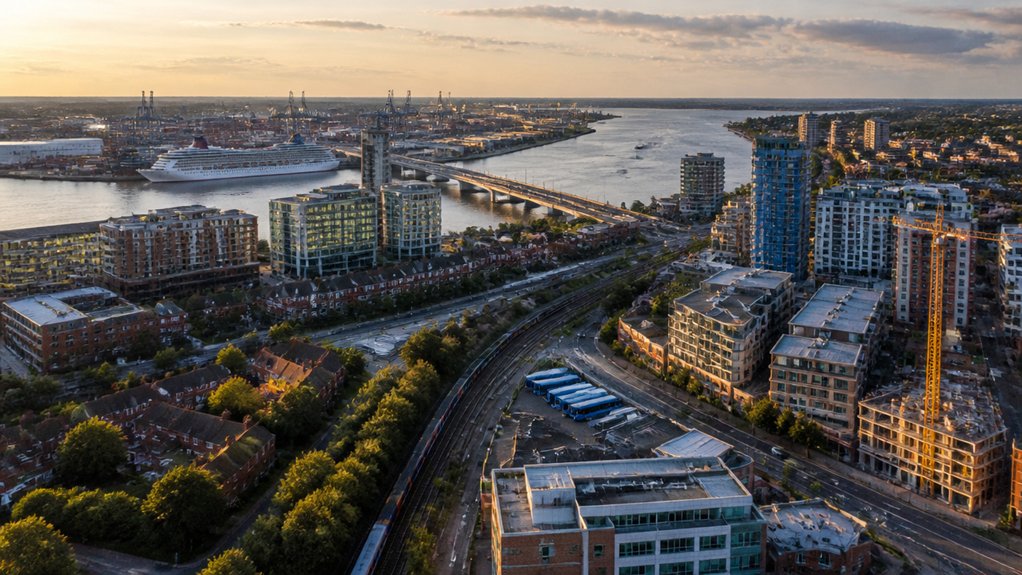
Central Slough’s regeneration pipeline is reshaping its housing mix, with high-density apartment schemes concentrated around the town centre and rail corridor. For you, this creates a clearer divide between modern, lower-maintenance flats and older stock requiring renovation.
Urban renewal is increasing the supply of one- and two-bedroom apartments, targeting first-time buyers, investors and commuters seeking practical layouts, concierge services and shared amenities.
Infrastructure development, including public-realm improvements and commercial space upgrades, aims to strengthen daytime footfall and rental appeal.
You should assess each scheme’s service charges, lease length, parking provision and delivery timetable, as these factors materially affect resale liquidity.
New-build premiums can narrow your short-term upside, but well-located developments may offer stronger tenant demand and lower initial repair costs.
Compare completed sales, not asking prices, before committing.
Langley: Elizabeth Line and House Prices
Langley’s Elizabeth line station has strengthened its appeal to London-bound buyers, cutting the practical friction of commuting and supporting demand for family homes as well as apartments. If you’re evaluating house prices, transport convenience remains a key pricing driver: direct Elizabeth Line services improve access to Paddington, the West End and Canary Wharf while reducing reliance on driving.
You’ll typically find stronger buyer competition for well-presented Victorian and interwar houses within walking distance of the station, particularly those offering three bedrooms, gardens or potential to extend. Flats appeal to first-time buyers and investors, but their values depend more heavily on lease length, service charges and building quality.
Langley’s market rewards realistic pricing: homes launched near comparable evidence attract viewings quickly, while ambitious asking prices face longer marketing periods. Track achieved sales, not just listings, before setting your budget or offer.
Cippenham and Burnham: Value for Commuters
For commuters seeking lower entry prices than nearby Elizabeth line locations, Cippenham and Burnham offer a practical balance of rail access, space, and relative value.
You can reach Paddington from Burnham in roughly 35 minutes, while Cippenham’s mainline services provide a similar London connection via Slough.
Burnham commuting demand supports flats and family houses near the station, particularly where buyers prioritise journey times over central Slough amenities.
Cippenham development has expanded the supply of modern apartments and newer housing, creating options for first-time buyers and investors at price points often below Langley.
You should compare service frequency, walking distance to stations, and parking provision carefully: these factors materially affect resale appeal.
Both locations attract value-led purchasers, but well-presented homes with gardens remain especially competitive among families seeking more space without paying Elizabeth line premiums.
Wexham and Nearby Farnham Common Homes
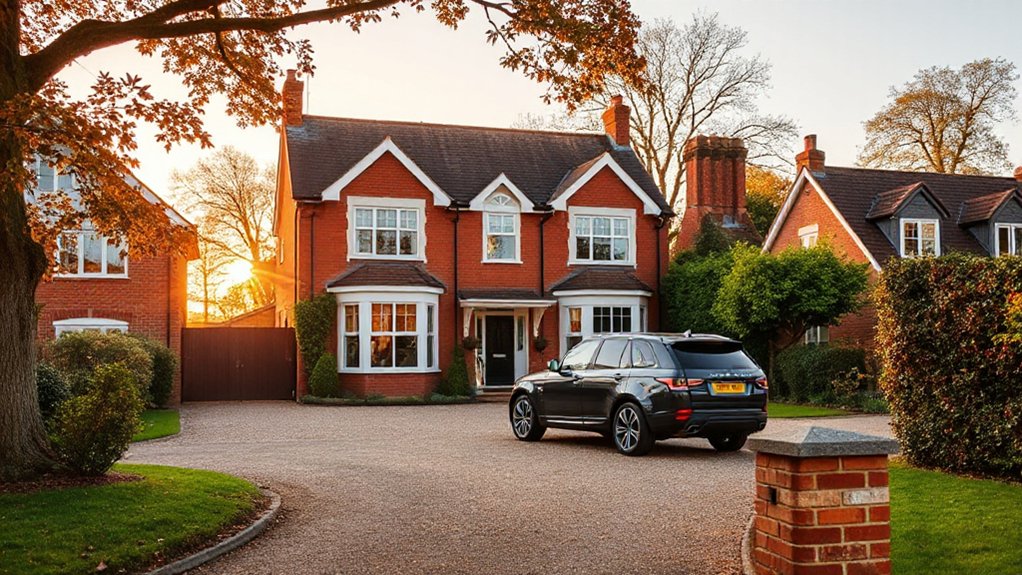
Wexham and nearby Farnham Common sit at the higher-value end of the Slough catchment, where larger family homes, leafy settings and access to well-regarded schools support resilient demand. You’ll find buyers prioritising detached and semi-detached houses with generous plots, parking and flexible work-from-home space.
Stock is typically tighter than in central Slough, so correctly priced family properties attract strong enquiry from upsizers and London relocators.
Farnham Common’s village character, independent amenities and proximity to Burnham Beeches help sustain its premium appeal. Wexham appeals where you want practical links to Slough, hospitals and major employment routes without sacrificing quieter residential streets.
Luxury apartments form a smaller, specialist segment, while historic landmarks and nearby green spaces strengthen lifestyle-led searches. Focus on condition, school catchments and transport practicality when comparing local listings.
Slough House Price Outlook for 2025
Although affordability pressures still shape buyer decisions, Slough’s 2025 house-price outlook points to a measured, uneven market rather than a broad decline. You should expect modest growth in well-connected family areas, while flats and lower-demand stock may see slower pricing or longer selling periods.
Mortgage-rate movements will remain the main catalyst: improved borrowing costs could release pent-up demand, but buyers will continue to negotiate where listings accumulate.
Market trends suggest sellers need realistic pricing, particularly for homes requiring refurbishment or with weaker transport links. You’ll likely see stronger resilience near Crossrail-accessible stations, major employment centres and established school catchments.
For investors, rental demand can support values, although yield calculations must account for financing costs, regulation and maintenance. Investment opportunities are most compelling where you can add value through renovation, efficient layouts or proximity to transport.
Frequently Asked Questions
What Are Slough’s Council Tax Bands for Buyers?
You’ll pay Council Tax bands A–H, based on your home’s 1991 value; don’t assume newer properties cost more. Check Council tax band updates, compare annual charges, and investigate property tax exemptions before budgeting your purchase.
Are There Flood Risks in Any Slough Neighbourhoods?
Yes, you’ll find higher flood risks near the Jubilee River, Colne Brook, and parts of Langley. Check Flood zone safety maps and river proximity concerns before bidding, as insurance costs and resale demand can vary considerably.
Which Slough Schools Have the Best Ofsted Ratings?
By Jove, you’ll find the strongest Ofsted ratings at Langley Grammar, Upton Court Grammar, and Herschel Grammar. Compare School performance and Educational facilities carefully; outstanding inspections can support buyer demand, though ratings change.
What Parking Restrictions Apply to Residential Properties?
You’ll face Parking regulations that vary by street: permit zones, resident-only bays, time limits, dropped-kerb rules, and controlled parking hours. Check council maps before buying, as residential restrictions can affect convenience, visitor access, and demand.
How Long Do Property Purchases Typically Take in Slough?
You’ll typically complete a Slough property purchase in 10–16 weeks. Property transaction delays often stem from surveys, mortgage approvals, and chain issues, while Legal process duration can extend timelines where searches or title complications arise.


Leave a Reply