


Slough’s rental market is moving on two tracks: regeneration reshapes supply while the Elizabeth Line expands demand. You’ll see commuter interest strengthen near the station, alongside steady demand from Heathrow workers, corporate tenants and families. Rent levels increasingly reflect energy efficiency, layout quality and access to amenities. As new schemes alter local neighbourhoods, the key question is which tenants will pay a premium—and where.
Key Takeaways
- Slough’s rental demand is supported by Heathrow employment, London commuters, business parks, and a diverse international workforce.
- Elizabeth Line services increase Slough’s appeal by improving access to Paddington, central London, Canary Wharf, and Heathrow.
- Regeneration around the town centre and station corridor is strengthening demand for modern, well-located rental homes.
- Young professionals and corporate tenants favour one- and two-bedroom flats near Slough station, with broadband, parking, and efficient heating.
- Families typically seek larger homes in Upton, Cippenham, and Wexham, prioritising schools, gardens, parking, and green space.
Slough Rental Market: Demand and Rent Levels

Slough’s rental market remains pressured by steady tenant demand, supported by its proximity to Heathrow, direct rail links to London and a large base of logistics, technology and service-sector employers.
You’ll see strongest competition for well-presented one- and two-bedroom homes, particularly among young professionals, airport staff, graduates and smaller households seeking flexibility.
Limited available stock has kept asking rents resilient, while landlords increasingly prioritise energy efficiency, modern layouts and reliable transport access.
Market trends suggest that tenants remain price-sensitive despite demand, with affordability shaping decisions on size, condition and location.
For property investment, you should assess achievable rents against higher borrowing, maintenance and compliance costs rather than rely on headline growth alone.
Family demand also supports larger houses, especially where homes offer parking, outdoor space and access to schools, helping reduce void periods.
Where London Commuters Rent in Slough
London-bound renters in Slough cluster around areas that shorten the daily journey to Paddington, Heathrow and key employment hubs. You’ll find strongest commuter preferences in the town centre, around Slough station, where flats appeal to young professionals, couples and corporate tenants seeking walkable amenities.
Langley attracts renters who want a quieter suburban setting while retaining rail access and proximity to Heathrow-related jobs. Families often look toward Upton, Cippenham and Wexham, where larger homes, schools and green space influence location choices.
Affordable housing remains a key filter: tenants commonly trade central convenience for more bedrooms or parking in outer neighbourhoods. Demand is *thus* segmented, with one- and two-bedroom apartments dominating station-adjacent searches, while houses attract households balancing London commutes with longer-term family needs.
Local employers also sustain demand beyond purely London-focused tenants.
How the Elizabeth Line Is Driving Demand
The Elizabeth Line has widened Slough’s rental catchment by giving tenants faster, more direct access to Paddington, the West End, Canary Wharf and Heathrow. You can now market Slough to professionals who previously focused on west London, particularly hybrid workers seeking fewer changes and predictable journey times.
This accessibility has supported a demand surge for well-presented one- and two-bedroom flats near the station, where renters prioritise convenience over larger homes farther out.
You’ll also see demand from Heathrow staff, finance and technology employees, and younger sharers priced out of central London.
The Elizabeth Line strengthens Slough’s appeal for tenants who commute two or three days weekly but want lower rents and more space. Landlords who price accurately, emphasise walkability and offer flexible move-in dates can capture this broader, increasingly mobile tenant base.
How Regeneration Is Reshaping Slough Neighbourhoods
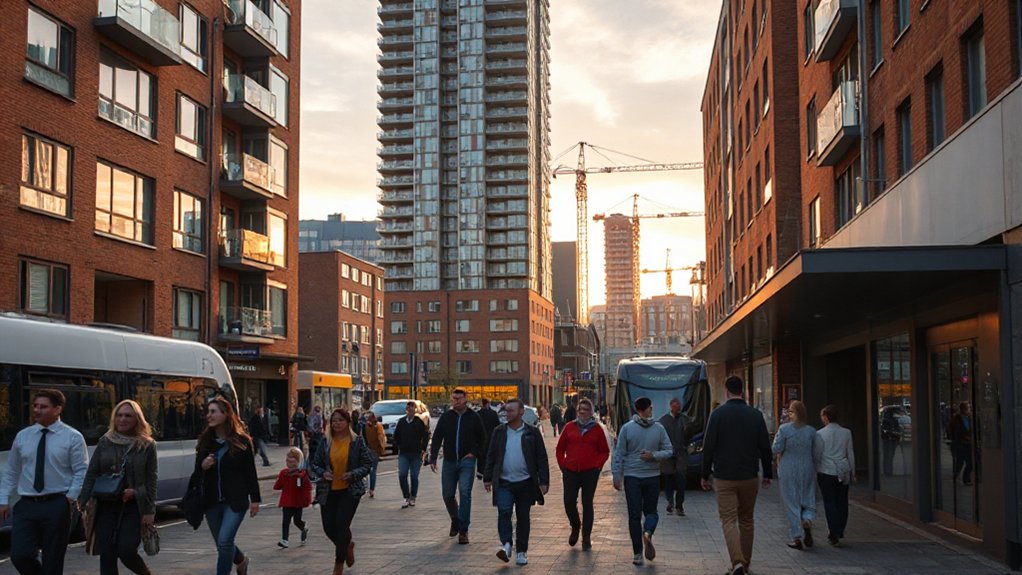
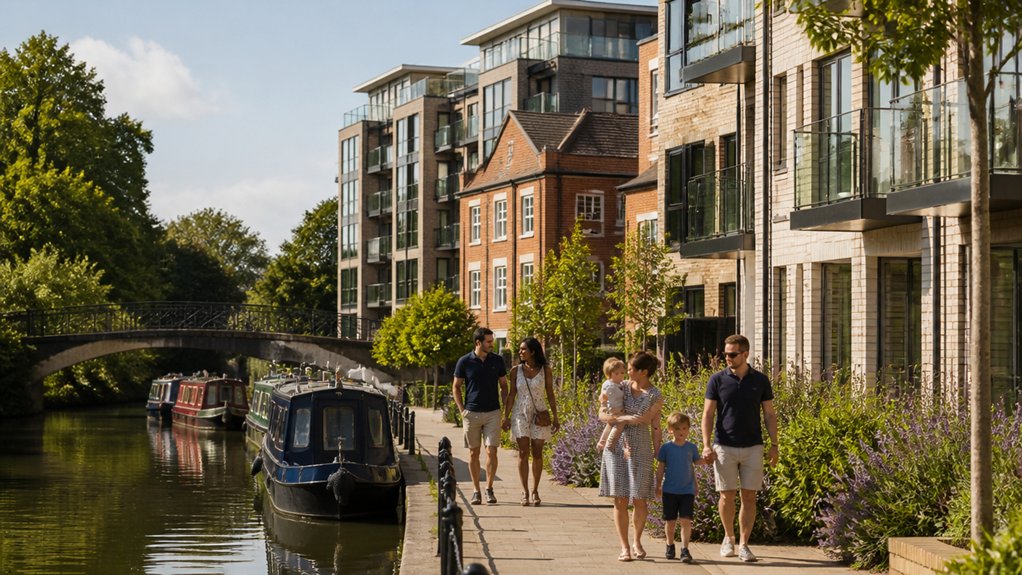
Improved transport access is only part of Slough’s rental story: regeneration is concentrating demand around the town centre, station corridor and major employment zones. You’ll see new mixed-use schemes increase the supply of modern apartments while upgrading public environment, retail space and pedestrian links.
This shifts neighbourhood appeal beyond commuting convenience: renters increasingly compare walkability, green space, local amenities and access to services.
Development is also redirecting investment towards areas connecting the station, Queensmere Observatory and key business parks. For landlords, this can support stronger rental resilience where completed schemes create visible improvements rather than speculative promise.
However, regeneration outcomes vary block by block. You should track delivery timelines, planning activity and community engagement, as these indicate whether projects match resident needs and strengthen long-term neighbourhood demand.
Tenant Profiles in the Slough Rental Market
Slough’s tenant base is diverse, with demand led by young professionals, families and employees working across the town’s business parks, Heathrow-linked industries and central London. You’ll see strong demand from commuters seeking faster rail links, alongside households prioritising access to schools, green space and major road networks.
Tenant demographics also reflect Slough’s international workforce, with corporate relocators, airport staff and skilled professionals often requiring flexible move-in dates. Younger renters typically concentrate around the town centre and transport corridors, while families look towards established residential areas with larger homes.
Rental preferences vary by life stage: professionals favour one- and two-bedroom flats, whereas family households create sustained demand for two-, three- and four-bedroom properties. As regeneration changes local supply, you can expect tenant demand to remain broad, mobile and closely tied to employment growth.
What Slough Tenants Expect From Landlords
As Slough attracts professionals, families and internationally mobile workers, tenants expect landlords to offer well-maintained homes, responsive communication and clear tenancy terms. You’ll meet core Tenant expectations by addressing repairs promptly, providing compliant safety documentation and keeping deposits, rent reviews and notice periods transparent.
Working households often prioritise reliable broadband, efficient heating and straightforward transport access. Families value secure properties, storage and proximity to schools. International renters may need flexible viewing arrangements, clear referencing guidance and practical move-in support.
Your Landlord responsibilities also include protecting deposits, maintaining gas and electrical safety standards, and responding professionally when issues arise. In a diverse, fast-moving rental market, consistent service matters: tenants compare management quality alongside rent, location and property condition before deciding whether to stay.
Slough Rental Market Outlook for 2025

In 2025, you can expect Slough’s rental demand to remain supported by London commuters, airport-linked workers, and young households seeking relatively accessible homes.
With supply still constrained, rent growth is likely to continue, although affordability pressures may moderate the pace.
You’ll need to track local wage growth, new-build completions, and tenant demographics to assess where prices could rise fastest.
Rental Demand Drivers
Strong rental demand in Slough during 2025 will continue to draw from London commuters, Heathrow-linked workers, and young professionals seeking lower rents than nearby Berkshire and West London markets. You’ll see demand concentrated near Elizabeth line connections, Slough station, business parks, and routes to Heathrow.
Hybrid workers increasingly prioritise fast rail access, while airport, logistics, healthcare, and technology employers support a broad tenant base.
Rental affordability remains a major advantage, particularly for sharers, first-time renters, and families priced out of central London. However, limited affordable housing supply means well-presented homes attract attention quickly.
You can expect strongest interest in one- and two-bedroom flats with parking, reliable broadband, and modern energy performance. Family tenants will continue to favour properties near schools, green space, and established neighbourhood amenities.
2025 Price Forecasts
Although rental growth is likely to moderate from the sharp increases seen in recent years, Slough rents could rise by around 3% to 5% across 2025, supported by commuter demand, Heathrow employment and constrained supply.
You’ll likely see strongest increases for well-presented one- and two-bedroom homes near stations, appealing to young professionals, airport staff and London-linked households.
Market volatility remains a factor: mortgage costs, landlord sales and local development completions could alter available stock.
However, regeneration around the town centre and Elizabeth line connectivity should sustain tenant interest.
If you’re investing, focus on energy-efficient properties, practical layouts and transport access. These features widen your tenant pool and protect occupancy.
Investment opportunities may also emerge where older stock needs upgrading, provided refurbishment costs and achievable rents remain aligned.
Frequently Asked Questions
Are There Licensing Requirements for Slough Landlords?
Yes, you may need Landlord licensing in Slough, particularly for HMOs and selectively designated areas. You must meet property standards, check current council schemes, and consider tenant demographics, as requirements can change by location and property type.
How Much Council Tax Do Slough Tenants Pay?
You’ll pay council tax based on your property’s valuation band, typically £1,500–£3,000 yearly in Slough. Tenant affordability varies by household size and income, while rental market trends show single occupants often receive the 25% discount.
Is Renters’ Insurance Required for Slough Properties?
Renters’ insurance isn’t legally required for Slough properties, but you should consider it for Tenant safety and belongings protection. Most landlords insure buildings only; your cover can protect valuables, liability, and temporary accommodation after insured damage.
What Deposit Protection Schemes Are Accepted in Slough?
You can use government-approved schemes: DPS, MyDeposits, and TDS. Scheme regulations require landlords to protect deposits within 30 days. Deposit alternatives are growing among younger renters, but acceptance depends on landlord preference and tenancy demographics.
Are Pets Usually Allowed in Slough Rental Homes?
Pets are sometimes allowed in Slough rental homes, but you’ll face varied pet policies and tenant restrictions. Family-sized properties more often accept pets, while flats commonly require landlord consent, higher rent, or additional cleaning terms.






Leave a Reply